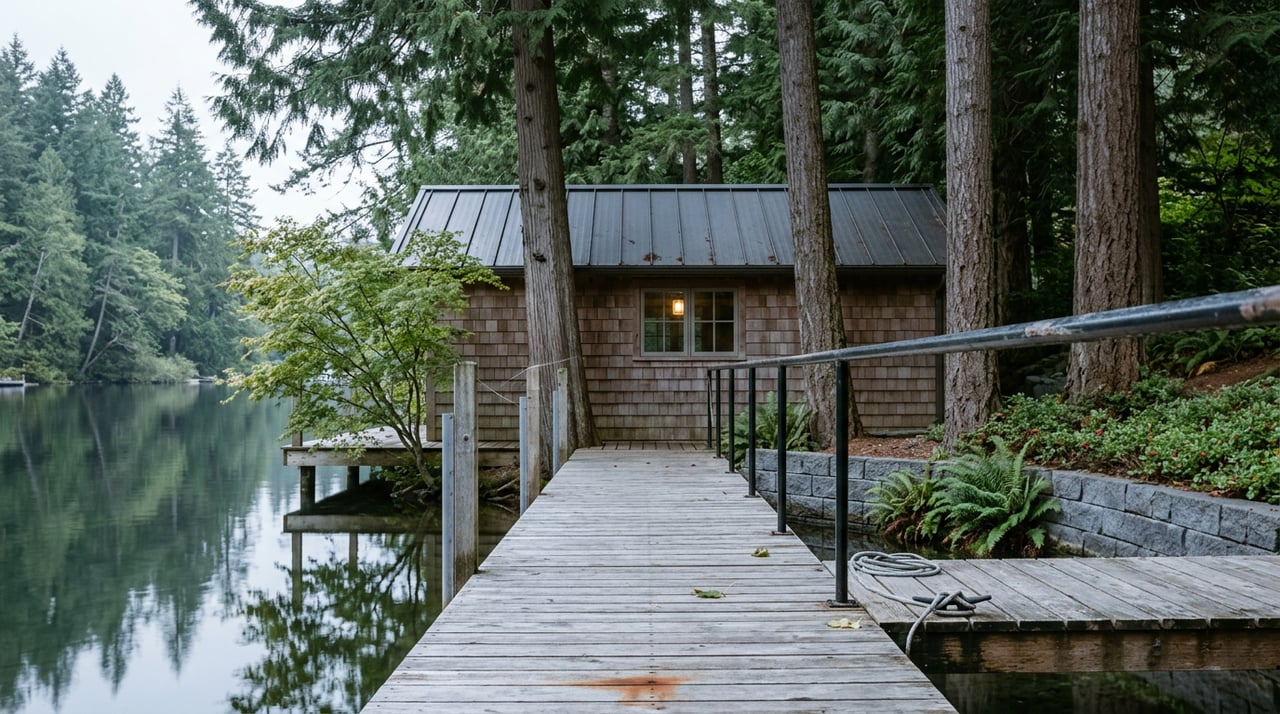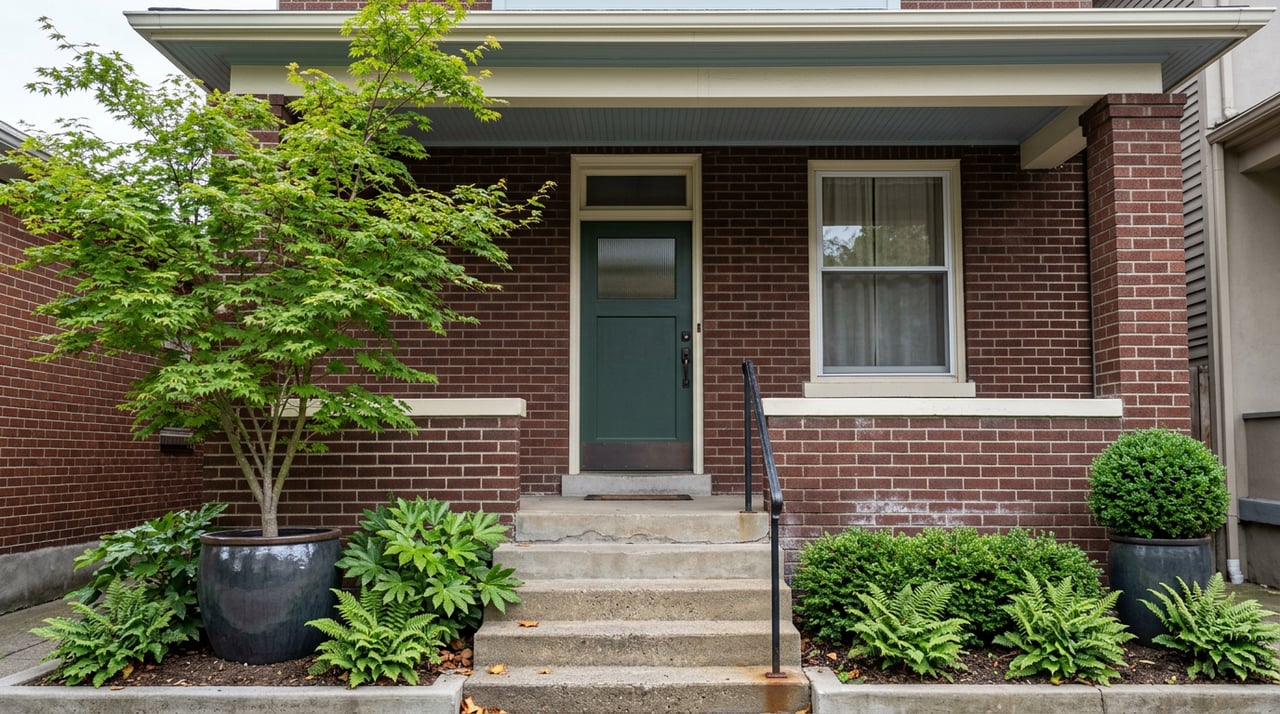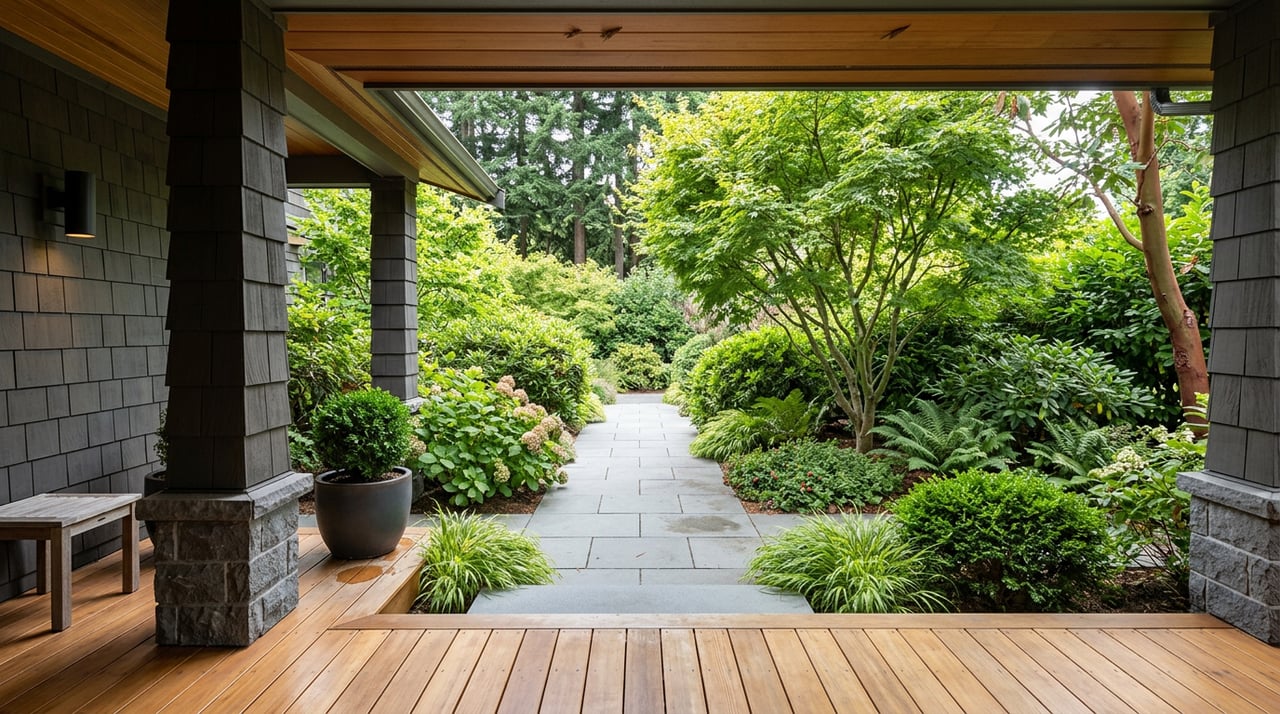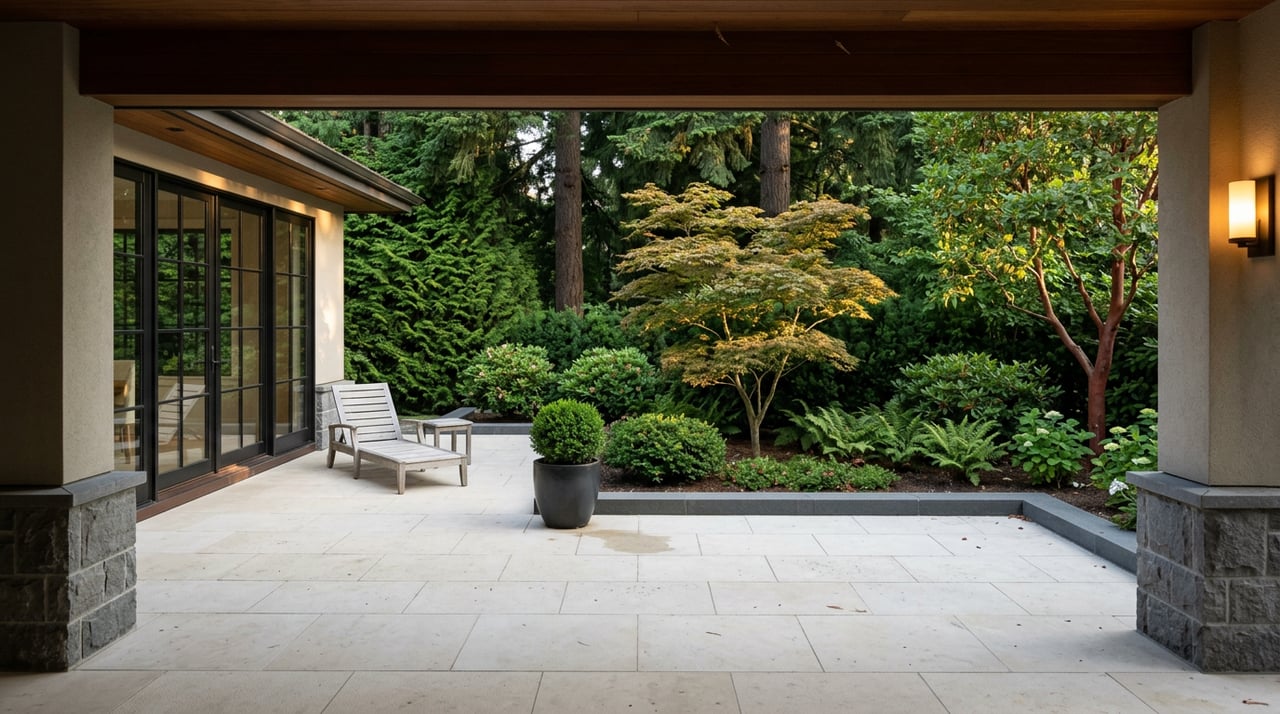
Thinking about a lakefront move but unsure when to act? You are not alone. In Seattle and the Eastside, luxury values hinge on a small set of powerful forces that can shift quickly. This guide breaks down what drives pricing, how timing works, why waterfront is different, and what smart buyers and sellers do to win. You will leave with clear next steps tailored to Medina, Mercer Island, West Bellevue, and nearby enclaves. Let’s dive in.
What “luxury” means here
Luxury is relative to the local market. In Seattle and King County, it commonly refers to the top 5 to 10 percent of sales by price, which usually lands in the multi-million range. The exact cutoff moves with the market, so verify the current threshold in the latest NWMLS market reports.
In the Lake Washington corridor, luxury inventory spans trophy waterfront, estate parcels, and architect-led builds with unique site and view advantages. Because these properties are one-of-a-kind, pricing and marketing rely on more than just square footage and bedroom counts.
Demand drivers to watch
Tech wealth and hiring cycles
The single biggest demand driver is the region’s tech economy. Hiring waves, equity-compensation vesting, and executive relocations tend to lift high-end demand. Slowdowns, layoffs, or weak stock performance can cool it. Track local business headlines in outlets like the Seattle Times and GeekWire for early signals.
Interest rates and capital markets
Jumbo financing and liquidity matter at the top end. When rates rise or underwriting tightens, the financed buyer pool can shrink. When equity markets strengthen, stock-based liquidity expands. For fundamentals on mortgage options and buyer protections, consult the Consumer Financial Protection Bureau.
Wealth concentration and migration
High-income local households, relocating executives, and select out-of-state or international buyers shape neighborhood choices. Proximity to job centers, boating access, and lifestyle preferences influence whether buyers target Medina, Mercer Island, West Bellevue, or urban Seattle waterfront.
Supply constraints shape value
Geography limits inventory
The Lake Washington shoreline and mature Eastside neighborhoods have a fixed and largely built-out housing stock. Large, usable waterfront parcels are rare and often held for long periods. Scarcity elevates prices and increases volatility when exceptional listings appear.
Shoreline rules add friction
Waterfront changes often require additional permits and environmental review. Setbacks, critical-area protections, and over-water structures (piers, docks) can trigger multi-agency approvals. Understanding the Washington State Shoreline Management Act and local shoreline programs helps frame feasibility and timelines. For background, start with the state’s overview of the Shoreline Management Act.
Why waterfront commands a premium
True waterfront and unobstructed lake views typically command meaningful premiums due to limited supply, private moorage potential, and lifestyle utility. Premiums vary by exact location, exposure, water depth, and whether docks or bulkheads are permitted or existing. Because comparable sales are sparse, year-to-year pricing swings are more common than inland areas.
Renovate or rebuild realities
Many high-end transactions involve significant renovations or full teardowns to optimize views, floor plans, and systems. Feasibility depends on permitting, geotechnical conditions, and construction costs. Early due diligence on slopes, shoreline stabilization, and utility access is essential, especially for steep or complex lots.
Seasonality and timing on the Eastside
Spring lead, summer closings
The region typically peaks in listing and buyer activity from late winter through spring, then cools into fall and winter. The luxury segment follows similar rhythms, with added activity for family moves that target late summer closings. Confirm current seasonality patterns in NWMLS reports before you set timing.
How market phases interact with timing
Seasonality does not operate in a vacuum. In cooling phases, spring’s advantage can narrow. In hot phases, spring can magnify competitive pressure. Consider conditional scenarios: if tech hiring resumes and equity prices rise, expect deeper buyer pools and faster absorption; if equity markets slump or credit tightens, expect longer market times and greater sensitivity to pricing and condition.
Pricing and valuation for unique homes
The limits of comps
For custom estates and waterfront, comparable-based pricing becomes part art, part science. Adjustments for dock quality, shoreline characteristics, view corridors, and site engineering can dwarf typical square-foot metrics. A narrative approach that explains the property’s unique value drivers helps buyers and appraisers interpret price.
Appraisals and contingencies
When comps are thin, appraisals can lag contract value. For financed purchases, appraisal and financing contingencies deserve careful planning. Sellers should anticipate questions about cost-to-recreate, permitability of improvements, and site constraints. Buyers should be ready with data and expert support if an appraisal comes in light.
Buyer playbook for this market
- Get verified financing or proof of funds. For jumbo scenarios, understand rate locks, reserves, and documentation standards using resources from the CFPB.
- Front-load diligence on waterfront. Prioritize bulkhead condition, dock permits, shoreline setbacks, slope stability, and flood or landslide maps. Pull parcel and permit history from the King County Assessor.
- Move fast on rare fits. Scarce homes can sell quickly when well-priced. Pre-schedule inspectors and consult shoreline planners early to shorten timelines.
- Tailor terms to the seller. Flexible closing windows, leasebacks, or limited contingencies can strengthen your position when competition is tight.
Seller strategies that work
- Calibrate price to the current pool. Align pricing with the latest luxury comps and inventory readings from NWMLS. A market-priced launch can catalyze activity; aspirational pricing may fit a trophy property with minimal competition.
- Prepare a complete property dossier. Include shoreline permits and history, geotechnical reports, dock specifications, utility records, and any recent code or engineering work. This reduces buyer risk perception and protects value.
- Elevate presentation for lifestyle. Professional photography, cinematic video, and focused copy should showcase orientation, view corridors, moorage, privacy, and site features that define the experience.
- Target the actual buyer. Outreach should include relocating executives and out-of-area prospects who prioritize waterfront access and proximity to job centers. Thoughtful, discreet marketing reaches serious buyers without unnecessary exposure.
- Anticipate investor or teardown interest. If improvements are dated but the site is exceptional, craft a path for both end users and builders, with clear permit and feasibility guidance.
Key metrics to track before you act
- Months of inventory and days on market for homes above common luxury thresholds, plus specific looks at Medina, Mercer Island, and West Bellevue.
- Cash share in the 2 to 5 million band and above 5 million to gauge competitive dynamics.
- Recent high-end comps that match waterfront attributes: dock length and condition, water depth, exposure, slope, and privacy.
- Active shoreline permits and any code updates that affect docks or shoreline stabilization. Use city shoreline portals and the state overview of the Shoreline Management Act.
- Parcel-level permit history, assessed values, and tax details via the King County Assessor.
- Macro signals that shape buyer capacity, including local tech headlines from the Seattle Times, GeekWire, and the Puget Sound Business Journal, as well as jumbo underwriting updates from the CFPB.
Waterfront diligence checklist
- Title and access. Confirm easements, shared shore, moorage rights, and riparian boundaries.
- Dock and bulkhead. Inspect structural condition, materials, and any prior permits or repairs.
- Environmental and geotech. Review slope stability, drainage, and any critical area flags.
- Insurance. Price homeowners, umbrella, flood, and, where applicable, earthquake or landslide coverage.
- Future projects. Identify what is feasible under current shoreline rules before you buy or list.
Working with principal-led representation
For luxury and waterfront, hands-on expertise matters. A senior advocate can frame pricing where comps are thin, pre-empt appraisal issues, and present the shoreline story that buyers and appraisers need. Marketing should be bespoke, discreet, and distributed globally to reach qualified prospects without noise.
Patricia Wallace offers a principal-led, boutique model that combines deep Lake Washington expertise with Coldwell Banker Global Luxury reach. Clients get direct senior counsel, tailored strategy for waterfront and estate properties, and disciplined negotiation that aligns with your timing and goals. If you are evaluating when and how to move, connect for a private conversation with Patricia Wallace.
FAQs
What defines a luxury home in Seattle and the Eastside?
- Locally, luxury is often the top 5 to 10 percent of sales by price, which shifts with the market; confirm the current cutoff in the latest NWMLS reports.
How does seasonality affect luxury listings around Lake Washington?
- Listing activity usually rises from late winter through spring, with many closings in summer; check current month-by-month patterns in NWMLS data before setting timing.
Why are waterfront homes harder to price in Medina and Mercer Island?
- Scarce, non-uniform features like docks, water depth, exposure, and slope create thin comps, so pricing requires narrative support and careful adjustments for site-specific attributes.
What financing issues do luxury buyers face in King County?
- Many use jumbo or portfolio loans with stricter underwriting; appraisal gaps can occur when comps are limited, so buyers should prepare with guidance from the CFPB.
What due diligence is essential for Lake Washington waterfront purchases?
- Prioritize shoreline permits, dock and bulkhead condition, geotechnical review, title and access rights, and insurance estimates, using parcel records from the King County Assessor.