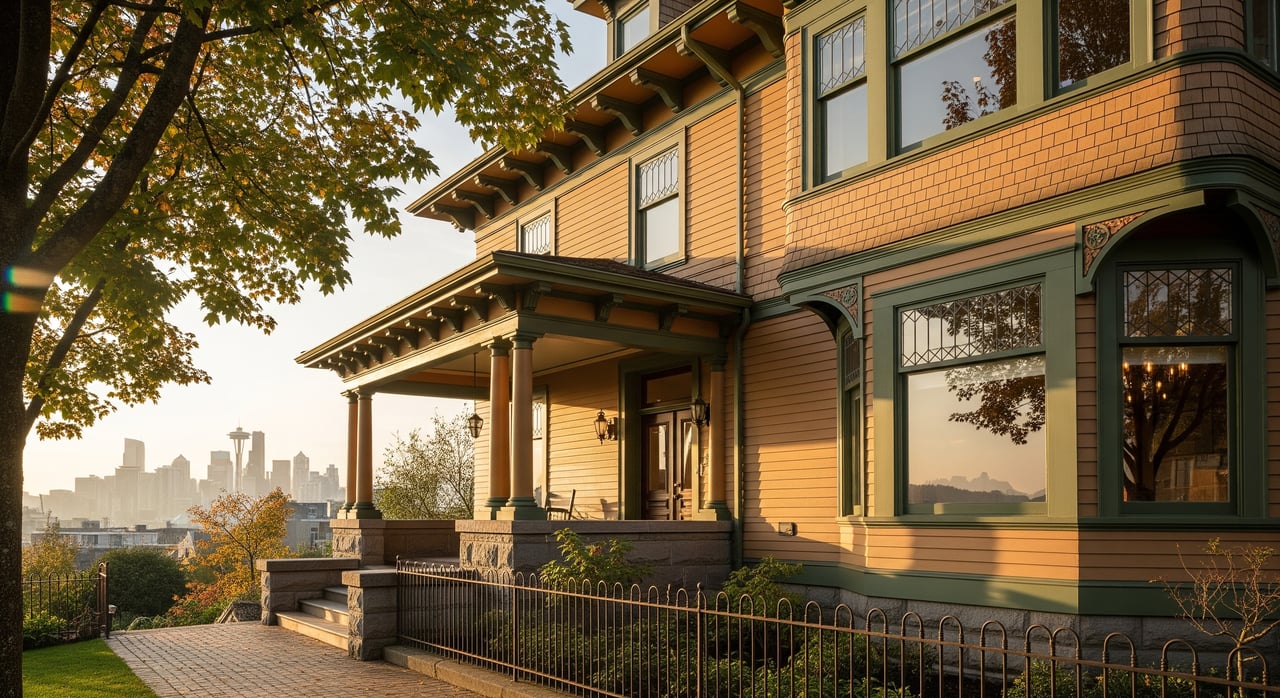
Falling for a Capitol Hill Craftsman or Tudor in 98102 is easy. Figuring out what you can change, how to finance updates, and what it means for resale can feel less simple. If you want historic character without surprises, you need a plan that covers designation rules, inspections, timelines, and long-term value. This guide gives you a clear path to buy confidently and preserve what makes the home special. Let’s dive in.
Why Capitol Hill’s homes stand out
Capitol Hill has one of Seattle’s richest collections of early 20th-century houses and classic apartment buildings. You see Craftsman bungalows, Queen Anne details, and Tudor accents across walkable blocks close to culture and downtown. That mix of architecture and convenience draws design-focused buyers and relocating executives.
Because authentic character is scarce, the best homes can draw competition. Pricing and days on market change quickly, so you will want fresh market data when you get serious about an address. Pair that with focused due diligence tailored to historic properties.
Know the rules: designations and review
Landmark designation and districts
Seattle’s Landmarks Preservation Board oversees individual landmarks and locally designated historic districts. A designation usually centers on exterior features and regulates demolition or major alterations. If a property is a designated landmark or a contributing property in a district, exterior changes often need a Certificate of Approval before work starts. Start with the City’s program pages to understand how review works at the Office of Historic Preservation.
Conservation districts
Conservation districts operate with design guidelines and a lighter regulatory touch than full landmark districts. They can still require review for changes visible from the street. If your target block falls within a conservation overlay, plan for design guidance and possible approvals through Seattle Department of Construction & Inspections.
Preservation easements and covenants
Some properties carry a recorded preservation easement or covenant held by a public or nonprofit entity. These agreements can limit alterations, define maintenance standards, or influence permitted uses. Ask your title officer to search specifically for preservation easements and other encumbrances, and review any recorded documents before you waive contingencies.
Plan your due diligence
Verify legal status and permits
- Confirm landmark status early. Check with the Office of Historic Preservation and public records at SDCI to see if the property is a designated landmark or in a district.
- Order a full title report and look for recorded easements or covenants that affect alterations.
- Request the seller’s permit history, then cross-check with SDCI records for unpermitted work. Older homes sometimes carry legacy wiring, structural changes, or additions done without permits.
Inspect beyond the basics
A standard home inspection is not enough for most older houses. Add targeted specialists so you can scope both cost and feasibility.
- Structural engineer: Evaluate foundation, framing, and any previous seismic or structural work.
- Historic consultant or architect: Identify character-defining features and realistic restoration options.
- Hazardous materials testing: Check for lead paint, lead plumbing, and asbestos in older materials.
- Systems review: Verify roof age, plumbing type, electrical system condition, HVAC, and chimney safety. Note any original windows, millwork, and built-ins, and whether they are repairable.
Seismic, energy, and code
Seattle’s older homes may not meet current seismic standards. A single-family house is not typically subject to immediate mandatory retrofit, but it can have vulnerabilities worth addressing when you renovate. Energy upgrades are often possible, yet exterior changes that alter the historic look, such as solar panels visible from the street, may require historic review. Coordinate early with SDCI so your plans align with code and review requirements.
Insurance and replacement costs
Confirm that insurers will cover the home as-is and note any required updates for coverage. Original materials, custom millwork, or older wiring can increase replacement-cost needs or trigger exclusions. Ask for quotes that reflect accurate replacement costs so your policy limits match the home’s true rebuild profile.
Timeline and contingencies
Historic review adds time for applications, drawings, and board schedules. Depending on your scope, approvals can take several weeks to a few months. Build a written “historic-scope” contingency into your offer so you can complete specialist inspections, confirm designation status, and vet permit history without rushing key decisions.
Budget, financing, and appraisals
Work with experienced lenders and appraisers
Not all lenders or appraisers value historic craftsmanship or unique restorations the same way. Pre-approve with a lender comfortable with older homes, and request an appraiser who understands Capitol Hill comparables and character features. A qualified team helps you avoid surprises with value, loan conditions, and closing timeline.
Renovation loan options
If you plan significant rehabilitation, ask your lender about programs that finance purchase plus improvements. The FHA 203(k) program is one widely used option for structured renovation financing. Review eligibility and scope with your lender and learn more through the HUD 203(k) program overview.
Tax incentives and special valuation
Washington law provides a special property tax valuation for certified historic properties that undergo qualified rehabilitation. The program is administered locally, and the property must meet specific criteria. Contact the King County Assessor to understand how special valuation could apply to your plans.
At the federal level, the 20 percent Historic Rehabilitation Tax Credit supports income-producing properties with certified rehabilitation. It does not apply to owner-occupied single-family homes. Review eligibility on the National Park Service tax incentives page.
Technical help and local resources
Local and state organizations can provide guidance on preservation best practices and sometimes offer assistance programs. Explore technical resources through the Washington State Dept. of Archaeology & Historic Preservation, and connect with Historic Seattle for local education and potential support.
Work with the right team
Contractors and restoration specialists
Repairs that preserve original fabric usually require specialized trades. Budget for custom carpentry, match-milled trim, or window restoration when warranted. Ask for references from projects of similar age and style in Capitol Hill, and build contingencies for hidden conditions.
Your representation and process
A strong broker coordinates specialists, organizes documentation, and designs a negotiation strategy that respects historic constraints. You want step-by-step guidance on contingencies, the review path with the City, and realistic timelines for closing and renovation. Principal-level attention helps you move quickly while avoiding shortcuts that undermine value or compliance.
Resale outlook in Capitol Hill
Historic character can widen appeal among design-forward buyers and those who prize neighborhood identity. Scarcity and proximity to urban amenities often support demand, especially when a home’s distinctive features are intact. At the same time, restrictions on exterior changes and higher maintenance needs may narrow the buyer pool to those who appreciate preservation.
Research across markets shows mixed outcomes for price effects from designation. Many neighborhoods see stable or positive value trends where preservation enhances streetscapes and desirability. For individual homes, results depend on condition, authenticity of features, and the balance of restoration with modern systems. Use comparable sales of character homes in 98102 for your pricing strategy, and highlight documented restoration work during resale. For broader context on preservation’s community benefits, the National Trust for Historic Preservation maintains accessible resources.
How to prepare for a strong resale
- Showcase rare original elements in good repair, such as millwork, built-ins, and restored windows.
- Maintain a complete file with historic documentation, permits, and professional repair records.
- Stage to emphasize architectural lines and natural light while keeping finishes period-appropriate.
Step-by-step purchase roadmap
- Define your brief: architectural style, renovation appetite, and location priorities within 98102.
- Get pre-approved with a lender experienced in older homes and discuss renovation financing options.
- Shortlist properties, then check City resources to confirm any landmark or district status.
- Order title and ask for seller permit history. Cross-check with SDCI records for unpermitted work.
- Schedule a general inspection plus specialists: structural engineer, historic consultant, and hazardous materials testing.
- Scope upgrades with contractors who know historic materials. Build a contingency budget for unknowns.
- Consult the King County Assessor about special valuation and discuss federal incentives if the property is income-producing.
- Model your timeline, including any required historic review and permits, before finalizing your offer terms.
- Obtain insurance quotes that reflect accurate replacement costs and any required upgrades.
- Finalize your negotiation strategy with contingencies that protect your due diligence and schedule.
Final thoughts
Buying a historic home on Capitol Hill is both a lifestyle choice and a stewardship decision. With clear due diligence, the right financing, and a team that understands Seattle’s preservation framework, you can honor the home’s character and make smart improvements. If you are weighing options in 98102 and want principal-level guidance from search through restoration planning, connect for a confidential conversation with Patricia Wallace.
FAQs
How do I confirm landmark status for a Capitol Hill home?
- Ask your broker to check City records and the Office of Historic Preservation to verify if the property is an individual landmark or part of a local district.
Can I replace windows on a designated landmark home?
- Possibly, but exterior changes usually require a Certificate of Approval. Expect to document materials and design so replacements fit the historic character.
Are there tax incentives for owner-occupied historic homes?
- Washington’s special valuation may reduce assessed value after qualified rehabilitation. The federal 20 percent credit applies to income-producing properties, not owner-occupied houses.
What inspections should I add for an older 98102 house?
- In addition to a general inspection, consider a structural engineer, a historic consultant or architect, and testing for lead and asbestos, plus a thorough systems review.
How much extra time does historic review add to permits?
- Plan for several weeks to a few months depending on the scope, documentation quality, and review schedules.
Can I use a renovation loan to update a historic home?
- Yes, programs like FHA 203(k) can finance purchase and improvements, subject to eligibility and any limits imposed by historic review.