Imagine stepping out for coffee, then wandering to a sandy beach on Lake Washington before lunch. If you want an in-city lifestyle with a true neighborhood feel and easy lake access, Madison Park delivers a rare blend of serenity and convenience. You might be weighing Seattle neighborhoods or comparing the lakefront options across the corridor. This guide gives you a clear picture of daily life, housing options, and the practical steps to buying or selling near the water in Madison Park. Let’s dive in.
Madison Park at a glance
Madison Park sits on Seattle’s western shore of Lake Washington and feels like a small village within the city. The compact commercial core offers everyday essentials and gathering spots in a walkable setting. You can run errands, meet friends, and reach the shoreline without getting in the car.
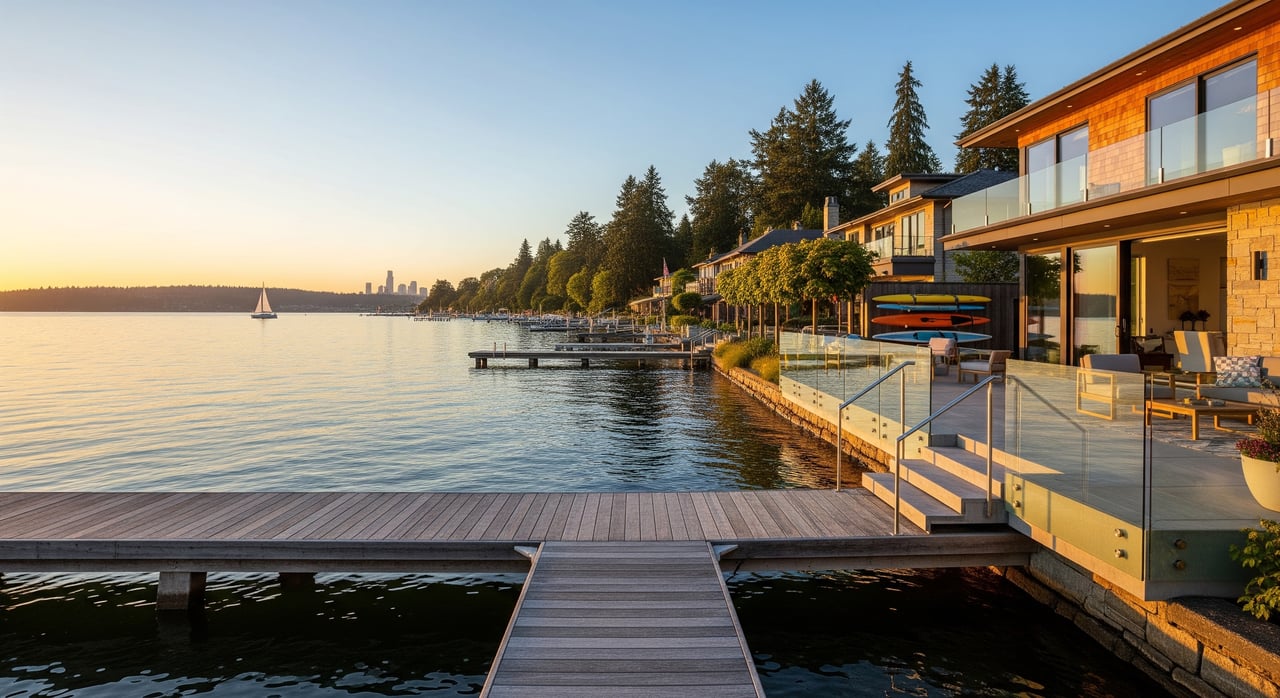
Life here centers on the lake and nearby green space. You see paddleboards on summer mornings, kids at the beach on warm afternoons, and neighbors strolling tree-lined streets year-round. The pace is calm and residential while still feeling connected to the city.
For most residents, the appeal is simple. You get lake recreation, a friendly village strip, and a residential pocket that still keeps downtown and the Eastside within reach. If you value an easy daily rhythm and an outdoor-forward lifestyle, this neighborhood fits.
Parks, beach, and lake life
Public beach and shoreline access
Madison Park’s shoreline makes it special. The neighborhood has public beach access for swimming and lakeside lounging. For current hours, safety updates, and amenities, check Seattle’s official parks pages through Seattle Parks and Recreation. You can expect seasonal lifeguards and clear rules that help keep the waterfront welcoming.
Everyday green space
In addition to the beach, you will find small parklets, playgrounds, and picnic spots tucked along the lake. The neighborhood also sits near larger green corridors, including the Washington Park Arboretum. That proximity gives you a variety of outdoor options within a short walk or drive.
Summer rhythm and weekends
On sunny days, the village gets lively. Expect fuller sidewalks, more street parking turnover, and a festive feel near the water. Locals plan errands and hosting with this in mind, especially on peak afternoons. It is part of the lake-season rhythm that many residents enjoy.
Getting around
Madison Park is more walkable than many residential pockets of Seattle, though it is not a transit hub. King County Metro buses connect you to nearby neighborhoods and downtown. There is no Link light rail station in Madison Park, so riders use bus connections to reach Link.
Driving access is straightforward, with routes toward downtown and the Eastside via the I-520 and I-90 corridors. Commute times vary by time of day. Street and lot parking serve the village core, and some residential blocks use permit parking.
Homes and architecture
What you will find
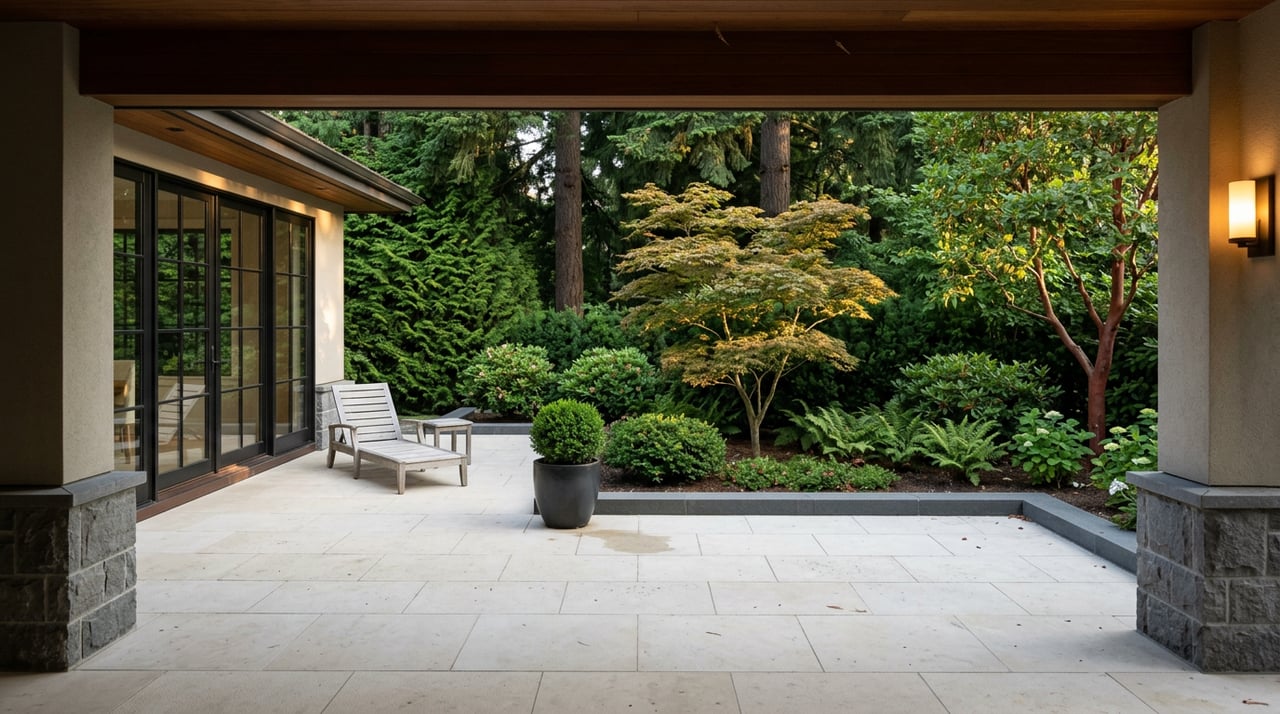
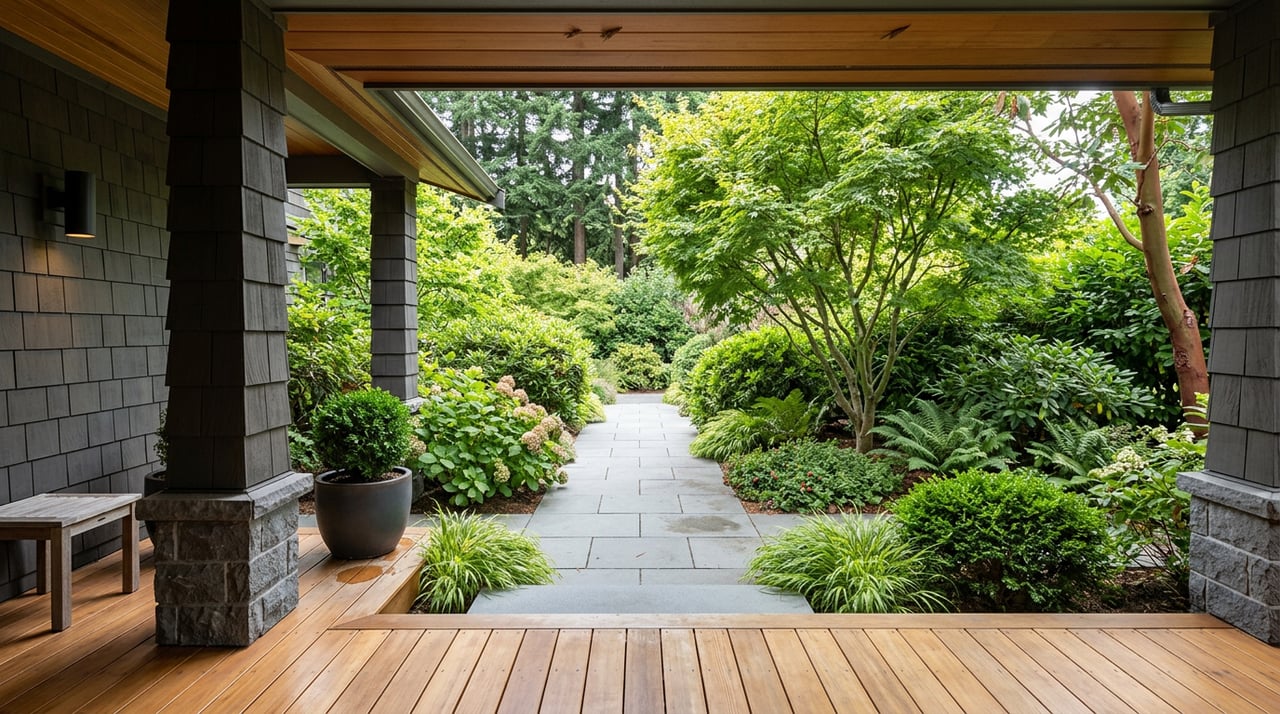
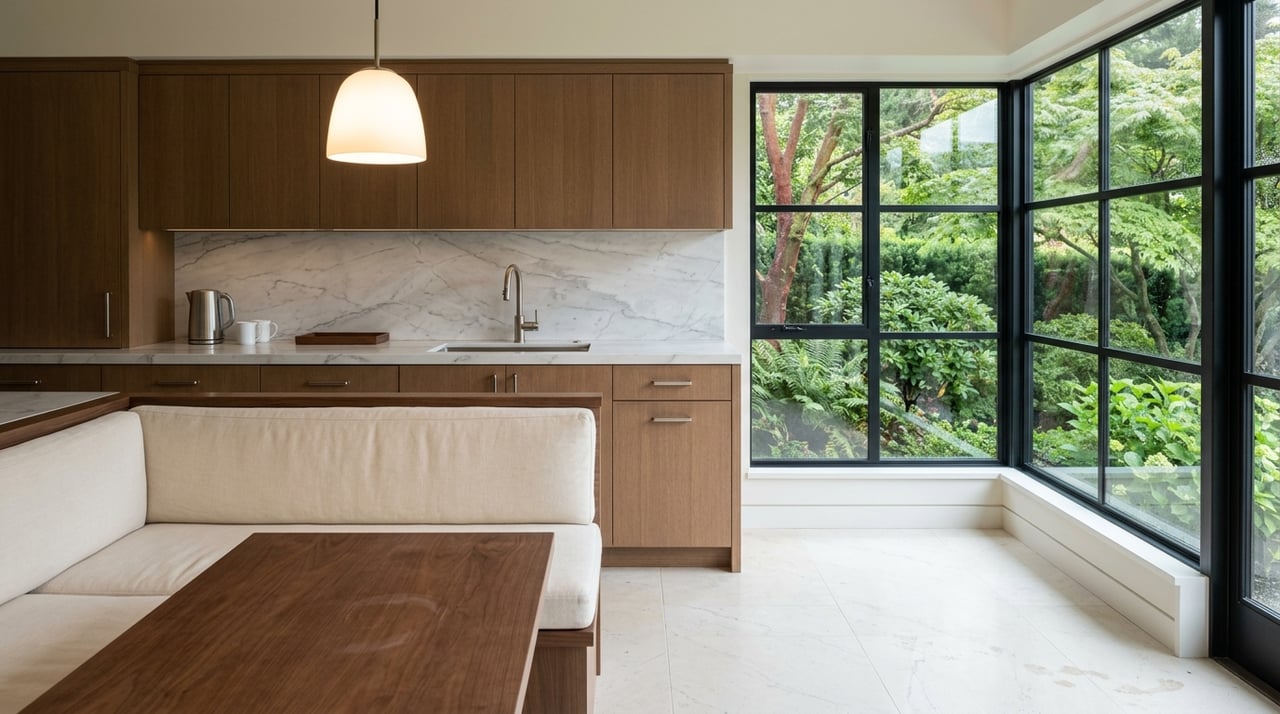
You will see a mix of classic and contemporary homes. Early 20th-century cottages and bungalows sit beside mid-century residences and thoughtfully rebuilt newer homes. Architectural styles range from Craftsman and Tudor to sleek modern designs.
Closer to the lake, many properties are designed to capture views. Waterfront parcels often feature custom residences with multi-level layouts oriented to the water. Inland streets tend to have modest lot sizes and a blend of original homes and newer replacements.
Condos near the village
Low-rise condominiums and duplexes appear near the village core and along primary streets. These options can offer a simpler lock-and-leave lifestyle within walking distance of shops, services, and the beach. Direct waterfront lots are predominantly single-family and typically command the highest values.
Zoning and redevelopment
The neighborhood is primarily residential with commercial zoning along the village corridor. Citywide rule updates can influence in-fill, accessory dwelling units, and redevelopment potential. For current zoning maps, permits, and overlay details, consult the City’s official portal at the Seattle Department of Construction & Inspections. If you want parcel history or assessed data to complement your research, the King County Assessor provides authoritative records.
Market character
Madison Park is viewed as a premium in-city enclave. Proximity to the village, the waterfront, and lake or territorial views can create meaningful price differences, and well-prepared listings often draw strong interest. For current trends, you can review regional snapshots and market reports available through the Northwest Multiple Listing Service. If you prefer an on-the-ground perspective tailored to your goals, a private consultation can help you weigh recent comparable sales and neighborhood micro-trends.
The waterfront buyer’s checklist
Buying on Lake Washington adds technical steps. These checks help you move forward with clarity.
- Shoreline permits and history. Verify whether docks, bulkheads, or shoreline structures were permitted and inspect their condition. Start with the City’s resources on permits and the Shoreline Master Program through Seattle Department of Construction & Inspections.
- Ecology and habitat considerations. Washington State standards protect shoreline habitat and water quality. Review guidance and best practices via the Washington State Department of Ecology.
- Flood and water-level risk. Although Lake Washington is managed, some parcels may fall within flood zones. Check the FEMA Flood Map Service Center and consult your lender and insurer early.
- Geotechnical and slope stability. Some properties include slopes or older shoreline stabilization. A geotechnical evaluation can inform future maintenance and project feasibility.
- Insurance and maintenance budgeting. Ask insurers about coverage for waterfront exposure and confirm any policy requirements for docks or bulkheads. Plan for ongoing maintenance of shoreline structures and landscaping to manage runoff.
- Title, easements, and access rights. Confirm shore access, community moorage rights if any, and recorded easements. Pair title review with county research through the King County Assessor and the City’s permit history.
Smart tips for sellers in Madison Park
- Lead with what sets the property apart. Highlight walkability, view corridors, and outdoor living. Document updates that protect the shoreline and preserve sightlines.
- Organize permitting and reports. Compile shoreline permits, bulkhead or dock repair documentation, and any geotechnical studies. Clear records reduce friction during due diligence.
- Invest where it counts. Neutral, well-finished kitchens and baths, tuned landscaping, and refreshed exterior elements help buyers focus on the lake and the home’s strengths.
- Time the market thoughtfully. Lake homes attract seasonal interest. Strategic timing and targeted exposure can maximize momentum.
- Tell the story discreetly. Many premium buyers value privacy. A principal-led strategy can reach real buyers without oversharing personal history.
Is Madison Park a fit?
Choose Madison Park if you want an in-city neighborhood that lives like a village, with easy access to Lake Washington and a calm residential setting. The mix of classic homes and modern rebuilds offers style choice, while the shoreline and parks keep you outdoors. If you plan to buy or sell near the lake, approaching the process with strong local guidance and a clear checklist protects your interests.
Start a private conversation
If Madison Park is on your short list, you deserve grounded advice and careful strategy. For confidential guidance on buying or selling, reach out to Patricia Wallace for a private consultation.
FAQs
What is daily life like in Madison Park?
- Expect a walkable village core, a public beach for summer swimming, and residential streets with easy access to parks and the lake.
How does public lake access work in Madison Park?
- The neighborhood features public shoreline and a beach managed by the city; review current hours, amenities, and safety updates through Seattle Parks and Recreation.
What should I know about permits for waterfront work?
- Shoreline projects typically require City permits and may involve state or federal rules; start with Seattle Department of Construction & Inspections and the Washington State Department of Ecology.
Is there light rail in Madison Park?
- No. You use bus connections to reach Link light rail; local routes connect Madison Park to nearby neighborhoods and downtown.
How can I research a property’s history and lot details?
- Combine City permit records from Seattle Department of Construction & Inspections with parcel and assessment data from the King County Assessor for a comprehensive view.