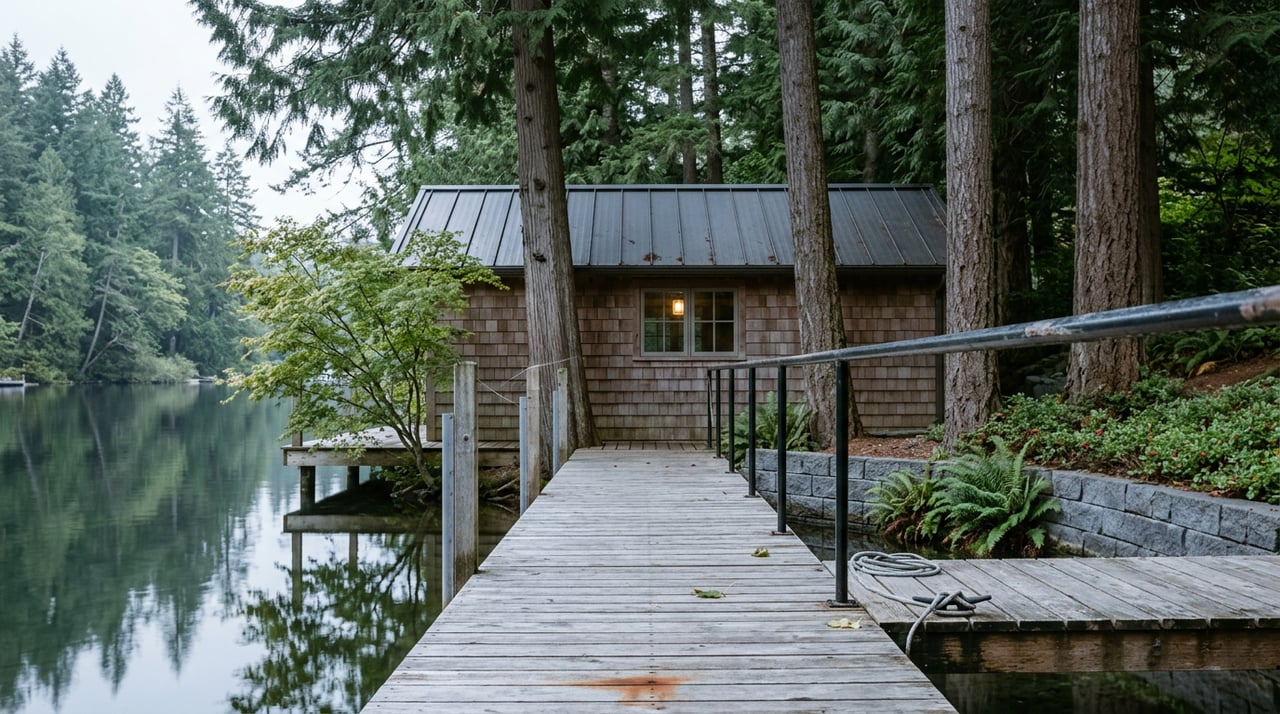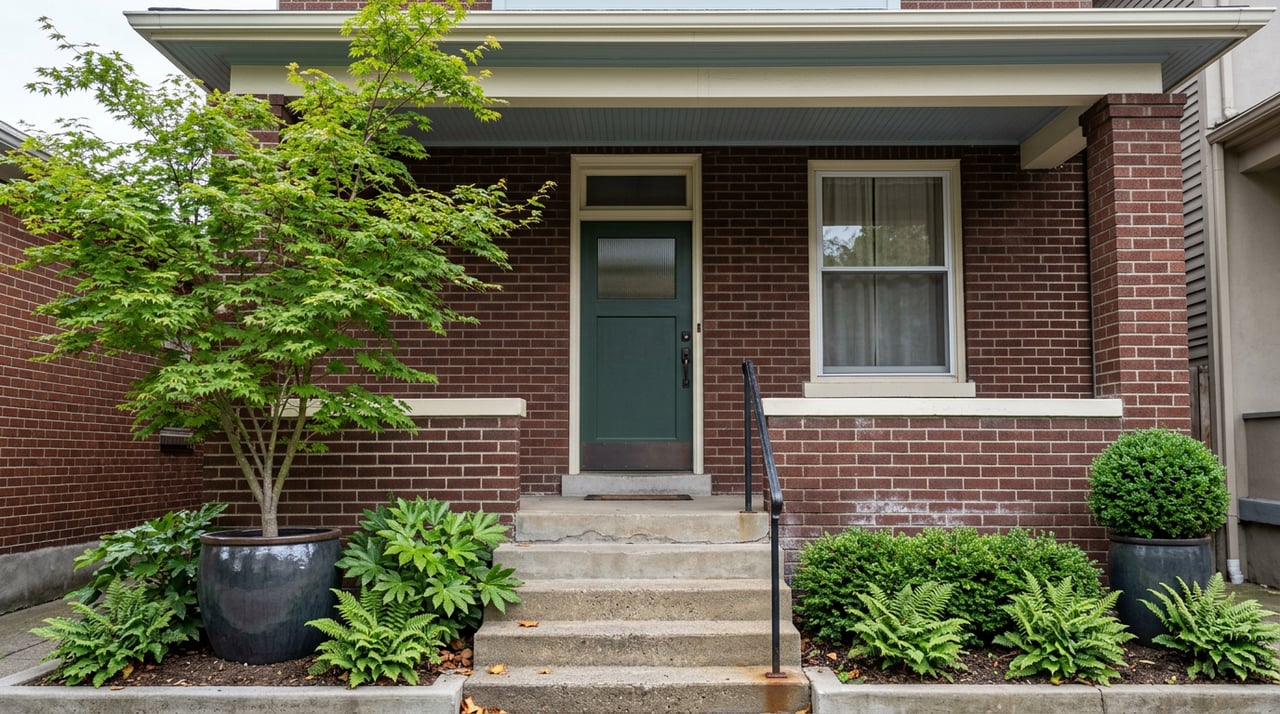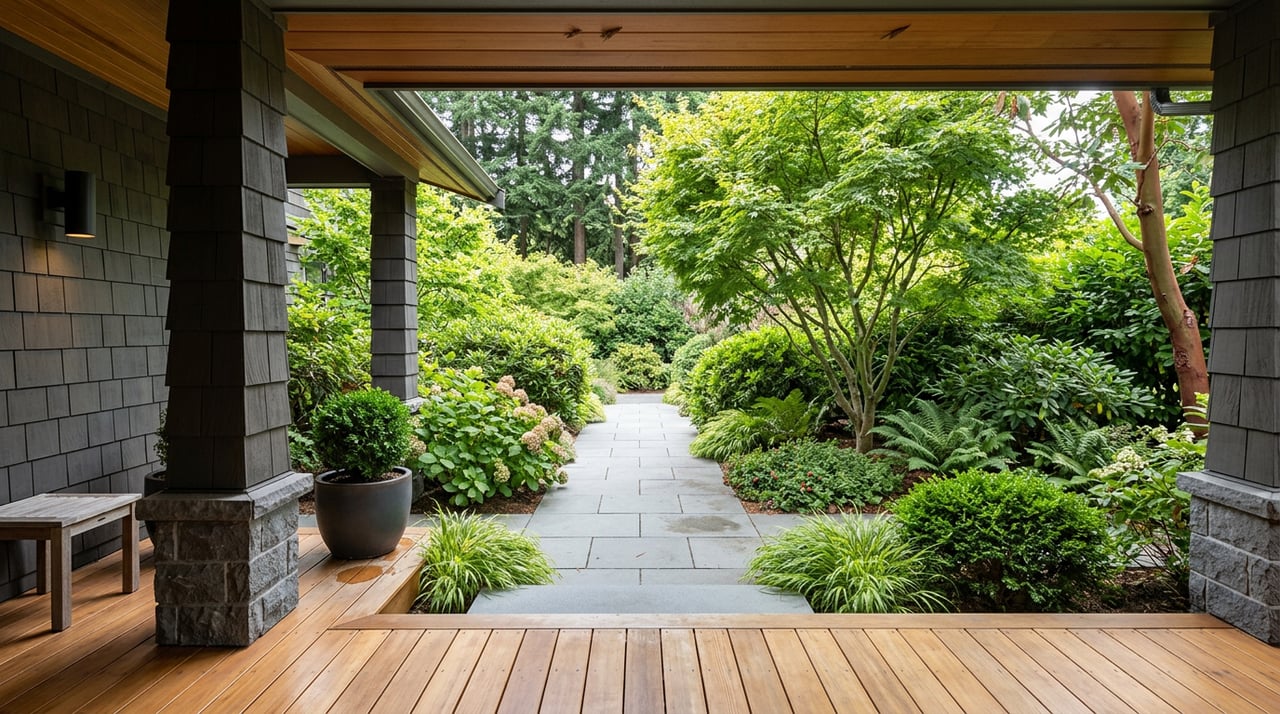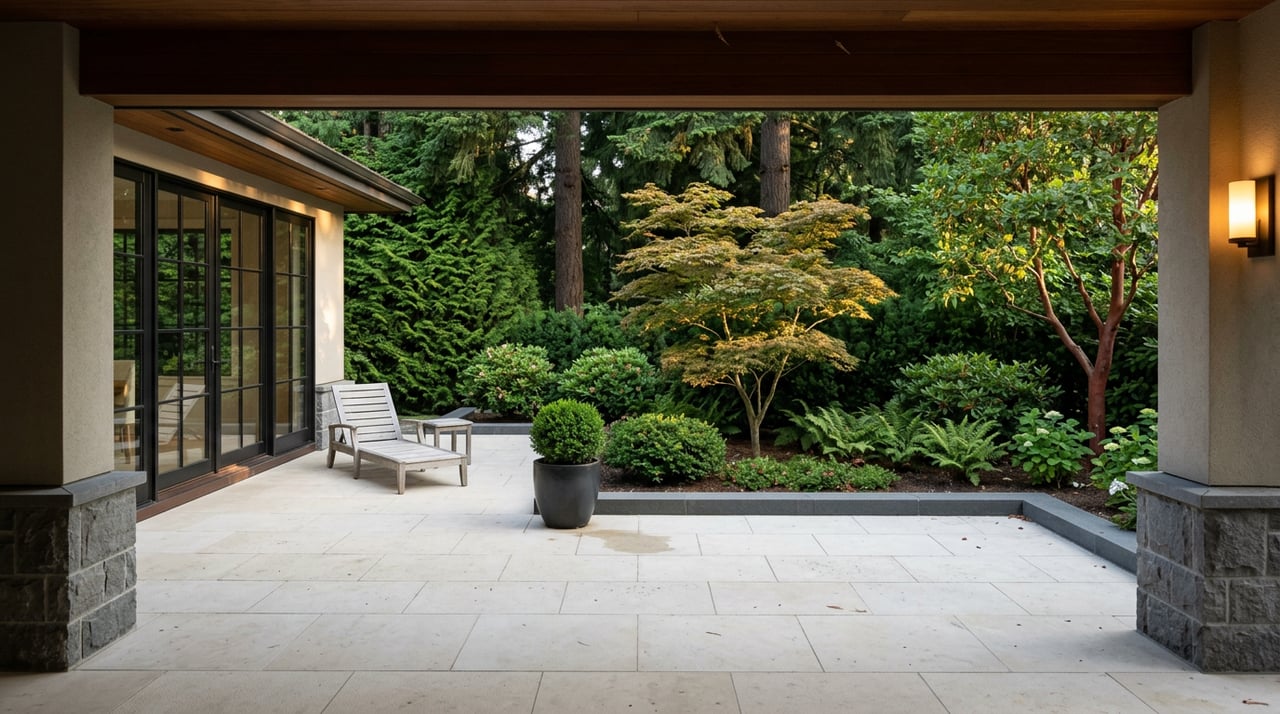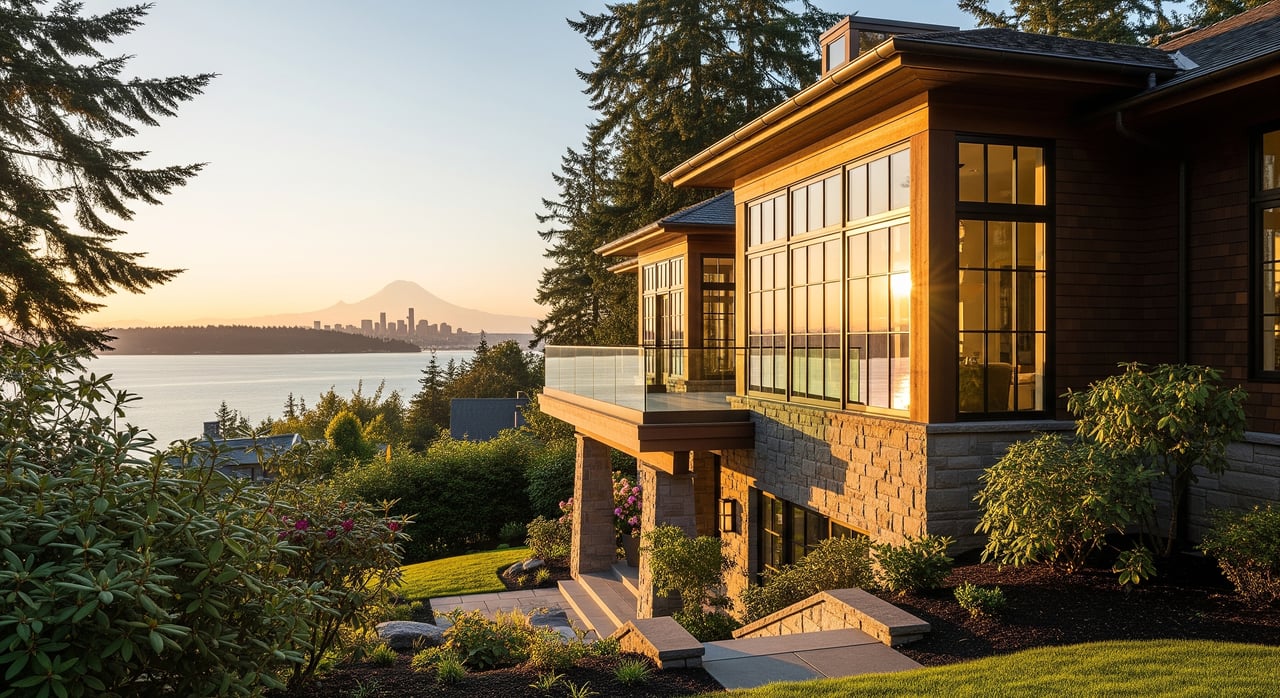
Is your ideal Seattle home a timeless estate, a glassy mid-century with tree-filtered lake views, or a sleek contemporary with seamless outdoor living? In Denny-Blaine, you can find all three. If you are buying, you want to understand how each style lives. If you are selling, you want to preserve character while still competing with today’s turnkey expectations. This guide gives you a clear picture of Denny-Blaine architecture, what luxury buyers value now, and the smart updates that help listings shine. Let’s dive in.
Denny-Blaine at a glance
Denny-Blaine sits on the east side of Seattle, just south of Madison Park, with sloped lots stepping toward Lake Washington and a neighborhood beach and park. Mature trees, large parcels, and discreet streets create privacy and a calm, residential feel. Proximity to Madison Park’s retail and dining supports a walkable lifestyle.
Homes here trade in the luxury segment of Seattle’s market. You will see restored early 20th century estates, mid-century modern houses, and new contemporary builds. Daylight, privacy, and outdoor connection drive buyer interest. Inventory levels, interest rates, and lifestyle demand shape whether buyers choose preserved character homes or turnkey contemporary property.
Before you plan a remodel or purchase, be aware of practical constraints. Most parcels are single-family and governed by City of Seattle codes and permitting. Tree canopy, sloped sites, and stormwater management often shape design choices. Some homes may be landmarks, which affects exterior changes. Always verify permits for past work with City records and review King County property records for lot details and easements.
Architectural styles you will see
Classic estates: character and craft
Classic estates from the early 1900s often show masonry or stucco facades, steep rooflines, formal entries, and leaded or multi-pane windows. You may notice ornate chimneys, porticoes, and symmetrical or picturesque compositions inspired by Tudor, English, or Colonial styles.
Inside, expect formal entry halls, distinct living and dining rooms, original hardwood floors, built-ins and millwork, decorative plaster, and wood-paneled studies. Rooms tend to be separated rather than fully open.
Lots often feature mature specimen trees, hedges, terraced yards that follow the slope, and long driveways with integrated garages or old carriage structures. Buyers prize authenticity, intact details, and the scale of formal entertaining spaces.
Mid-century modern: clarity and connection
Mid-century homes typically display low or butterfly roofs, strong horizontal lines, and large windows or clerestories. Many use post-and-beam construction that carries outdoors to carports and low-profile garages.
Inside, you often find open living and dining areas, exposed beams, natural wood finishes, and a clear flow to patios or decks. Some examples include concrete or terrazzo floors and a minimalist approach to trim and ornament.
Landscape design is about easy indoor-outdoor living, with terraces that extend daily life outside. Privacy is often achieved through native plantings and thoughtful screening. Buyers respond to daylight, honest materials, and views that unfold from main living areas.
Contemporary and new builds: performance and ease
Contemporary homes lean into boxy massing, expansive floor-to-ceiling glass, and a mix of wood, metal, and panel cladding. Many include rooftop decks and covered outdoor rooms.
Interiors are very open, anchored by a great room and oversized kitchen island. Flexible spaces for work, fitness, and media are common. Systems are a selling point, with modern HVAC, smart home features, and robust electrical for EV charging.
Landscapes are designed for low maintenance and entertaining, with simple plant palettes and integrated stormwater solutions. Buyers value turnkey comfort, energy performance, and a clean, modern aesthetic.
Transitional and hybrid homes
Many Denny-Blaine properties are hybrids, such as a classic shell with a mid-century or contemporary addition. The best examples show a clear logic in how old and new connect. Buyers look for transitions that respect the original massing and keep the story of the house intact.
What luxury buyers want now
Today’s high-end buyers in Seattle seek lifestyle features that stand the test of time and climate. The following priorities show up again and again in Denny-Blaine:
- Indoor-outdoor living: large terraces or patios, easy circulation to the yard, and views toward the lake or green canopy.
- Primary suite as retreat: a spacious bedroom, generous closets, spa-style bath, and if possible, private outdoor access.
- Kitchen and entertaining: professional-grade appliances, large islands, and open sightlines that keep cooking social without bottlenecks.
- Flexible spaces: dedicated office, bonus or media rooms, fitness areas, and potential for ADU or multigenerational needs.
- Privacy and security: thoughtful screening, discreet entries, and sound management.
- Systems and performance: efficient HVAC such as heat pumps, solid insulation, modern electrical capacity with EV readiness, and reliable drainage.
- Authentic period features: original millwork, restored windows, and historic fireplaces add visible value when well maintained.
- Low maintenance and sustainability: durable exterior materials, simple landscape upkeep, and green features where present.
Common tradeoffs in Denny-Blaine
- Character vs. turnkey: a restored classic may carry ongoing maintenance, while new construction offers ease. Buyers decide which better fits their plans.
- View and light vs. privacy: expansive glass amplifies views, yet it can affect privacy. Solutions include strategic glazing, landscape screening, and shades.
- Historic authenticity vs. efficiency: original windows look right but can lag in performance. Repair and weatherstripping or interior storm panels can solve many concerns while preserving appearance.
Seller playbook: sensitive updates that sell
When you are preparing to list, focus on upgrades that widen the buyer pool and reduce friction. Aim to preserve character where it matters and elevate comfort where buyers expect it.
High-impact, low-risk updates
- Systems and safety: address the roof, plumbing, electrical panel capacity, and heating and cooling. Seattle buyers value heat pumps for year-round comfort. Permits and service records help your case.
- Moisture and drainage: correct grading, gutters, and downspouts. Waterproof basements or crawlspaces, especially on sloped or near-lake lots.
- Cosmetic refresh: choose fresh, neutral paint and refinish original hardwoods. Repair millwork rather than replacing it.
- Kitchen and bath refresh: update surfaces, fixtures, lighting, and appliances. Preserve the scale and flow of formal rooms in classic homes.
- Windows: repair original sashes where feasible. If replacement is necessary, match proportions so the exterior look remains consistent. Consider interior storm solutions to boost efficiency.
- Landscape and curb appeal: prune to open view corridors, refresh the entry, and add subtle path lighting. These improvements show beautifully in photos and tours.
Moderate-impact updates
- Targeted glazing: add or rework windows for daylight and views in a way that suits the architecture.
- Open sightlines: create modest connections, such as between the kitchen and living area, while keeping room proportions.
- Sensitive additions: a sunroom or small rear addition that is subordinate to the original massing can improve livability without overpowering the house.
High-cost or high-risk moves
- Full gut-renovation or teardown: on the right lot, both can make sense. Risks include longer timelines, permitting constraints, tree code, and neighborhood response. Compare potential net proceeds after costs.
- Major style conversion: stripping historic detailing to force an ultra-modern look can narrow your buyer pool.
Presentation and staging
Stage classic estates to show a graceful flow through formal rooms. In mid-century and contemporary homes, emphasize the indoor-outdoor sequence and daylight. Professional photography and virtual tours should highlight views, character details, and how the home functions during day and evening.
ROI considerations
- Upgrades that reduce buyer uncertainty, like roof, mechanicals, and drainage, tend to return well.
- Kitchens and baths can lift pricing if finishes align with the home’s style. Trend-driven choices that ignore context can backfire.
- Document permits, contractors, and warranties. Buyers pay for confidence.
Buyer checklist and due diligence
Denny-Blaine’s architecture is rewarding, yet each era brings its own review list. A thorough approach protects your long-term costs and comfort.
Inspection priorities
- Structure and drainage: assess foundations, retaining walls, and stormwater systems, especially on sloped lots.
- Roof and flashing: check for aging materials, improper flashing, and gutter issues.
- HVAC and electrical: verify age, service records, panel capacity, and readiness for EV charging. Review insulation levels.
- Electrical hazards: look for knob-and-tube, aluminum wiring, and undersized panels in older homes.
- Moisture and materials: test for past water intrusion, hidden rot, and pre-1970s materials that may require special handling during renovation.
- Windows and envelope: evaluate repairability of original sash and the condition of cladding. Note if new openings might require permits.
- Permits and additions: confirm that major work was permitted. Unpermitted projects can affect financing and insurance.
- Views and easements: verify recorded easements and neighbor tree rights that can impact privacy or future plans.
Smart questions and negotiation levers
- What is the age and condition of major systems? Ask for documentation.
- Were significant renovations permitted? Review City records and seller disclosures.
- Which original features remain and which were replaced? Request photos and notes on millwork and built-ins.
- Planning changes? Get contractor estimates before offer submission to set a realistic budget.
Financing and insurance notes
Older homes with deferred maintenance or unpermitted work can trigger underwriting questions. Build in inspection contingencies and be ready to negotiate credits or repairs for safety and systems.
Quick checklists
For sellers
- Get mechanicals inspected and address safety items.
- Correct water and drainage issues on sloped sites.
- Repair and restore visible original woodwork.
- Refresh kitchens and baths thoughtfully to match the home’s style.
- Stage to highlight indoor-outdoor flow and architectural character.
- Disclose permits, warranties, and past work.
For buyers
- Order a full inspection: structural, HVAC, roof, pest, and moisture.
- Confirm permits for prior renovations and additions.
- Get quotes for planned updates before making an offer.
- Evaluate window repair or interior storms to preserve appearance and improve comfort.
- Assess view corridors, solar access, and privacy screening.
The bottom line
Denny-Blaine rewards buyers who align lifestyle goals with the right architectural fit and systems performance. It rewards sellers who respect original character while eliminating buyer concerns around safety, comfort, and maintenance. Whether you favor a classic estate, a mid-century gem, or a modern build, careful planning will help you capture value and enjoy everyday living.
If you are weighing next steps and want confidential, principal-level guidance, connect with Patricia Wallace for a private consultation.
FAQs
Are original windows a problem in Denny-Blaine’s older homes?
- Not necessarily; repaired and weatherstripped originals can perform well, and interior storm panels or high-quality replacements that match profiles can balance efficiency with character.
Should I fully modernize a historic kitchen before listing in Denny-Blaine?
- Prioritize mechanical and safety fixes first, then do tasteful surface updates that respect scale and circulation; a full gut is case-by-case and should be driven by market analysis and likely returns.
What upgrades deliver the biggest lift for Denny-Blaine sellers?
- Reliable systems, corrected drainage, refreshed kitchens and baths aligned with the home’s style, enhanced indoor-outdoor spaces, and high-quality presentation and photography.
When does a teardown make financial sense in this neighborhood?
- It can pencil on larger lots or when bringing an existing structure up to buyer expectations is not economical; confirm zoning, setbacks, tree code, and timelines before modeling potential returns.
How do I verify permits and property details for a Denny-Blaine home?
- Check City permit records for renovations and review King County property records for lot size, legal descriptions, and any easements that may affect views, privacy, or future plans.