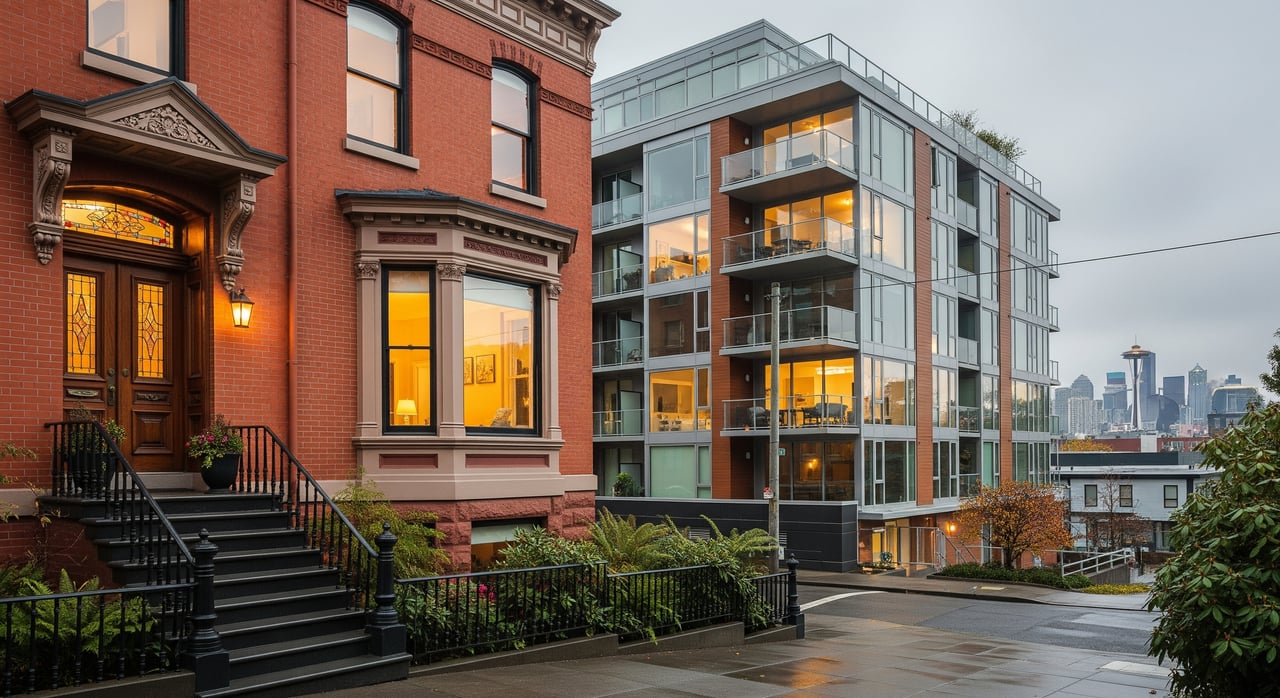
Trying to choose between a lock-and-leave condo near Capitol Hill Station or a fee-simple townhome with a private garage? If you are relocating to Seattle or right-sizing in 98102, you want urban access without sacrificing privacy, outdoor space, or long-term value. This guide walks you through ownership, lifestyle, HOA scope, parking, financing, and resale so you can make a clear decision. Let’s dive in.
Capitol Hill context that shapes your choice
Capitol Hill is one of Seattle’s most walkable, transit-rich neighborhoods. You have restaurants, nightlife, and parks like Cal Anderson within blocks, plus quick access to Link light rail at Capitol Hill Station. These features keep demand strong for smaller, centrally located homes, especially condos close to commercial corridors and transit.
Townhomes tend to cluster on quieter residential streets or in small courts. If you value a calmer block, private entries, and personal outdoor space, a townhome may fit better. If you prioritize transit access, concierge-style amenities, and minimal daily maintenance, a condo near the station or retail core will be compelling.
Ownership and financing differences
How you own each type
- Condos give you fee-simple ownership of your unit plus an undivided interest in shared elements like the lobby, roof, and amenities. An HOA manages common systems and exterior components under recorded CC&Rs and bylaws.
- Townhomes are often fee-simple ownership of the dwelling and land. Some communities have limited HOAs for shared items like driveways, while many owners handle their own exterior maintenance. Always confirm responsibilities in the recorded plat and CC&Rs.
Financing and insurance
- Condos can be subject to “project” lending standards. Buildings that are older, small, investor-heavy, or facing financial distress may be non-warrantable, which can limit conventional loan options and require higher down payments or portfolio loans. Ask early if a building is warrantable.
- Townhomes are frequently easier to finance because lenders often treat fee-simple townhomes like single-family homes. Requirements can still vary by project.
- Insurance differs: condo owners typically carry walls-in policies while associations insure common elements. Townhome owners usually insure the full structure and land, with limited HOA coverage if any.
What to review before you write an offer
- CC&Rs, bylaws, current budget, reserve study, recent meeting minutes, and insurance certificates.
- Warrantability for condos and any lender requirements noted in listing or building documentation.
- Maintenance allocations, special assessments, and any pending litigation.
Lifestyle trade-offs that matter in 98102
Privacy and noise
Condos share walls, floors, and corridors, which can increase noise transmission and reduce perceived privacy. Townhomes share party walls but typically have private entrances and fewer common interior spaces, which can feel quieter.
Outdoor space and pets
Many condos offer balconies and shared amenities like rooftop decks or courtyards. Townhomes are more likely to include private patios, small yards, or rooftop decks, which can be ideal for entertaining or pets. Pet rules vary by association, so review CC&Rs for size, number, and breed restrictions.
Maintenance and daily convenience
Condos reduce day-to-day maintenance because staff or HOA contractors handle exterior systems and common areas. Townhomes may require owner attention to siding, roofs, and exterior upkeep unless the HOA specifies otherwise. Verify scope to match your time and travel schedule.
Parking and commuting
Capitol Hill parking is constrained, with Residential Parking Zones in parts of the neighborhood. Many condos sell with limited or no deeded parking. Townhomes often include a private garage or off-street parking. If you rely on a vehicle, a townhome can simplify your routine. If you commute downtown by transit, a condo near Capitol Hill Station can minimize car needs.
HOA fees, scope, and risk
What HOA fees cover
- Condos often include building insurance, common-area maintenance and utilities, elevator service, exterior repairs, staffing, and reserves. High-amenity buildings can have higher dues.
- Townhome dues range widely. Some cover landscaping or shared driveways only, while others include broader exterior items. Small boutique associations may have lower dues but smaller reserves.
Reserves, assessments, and governance
Healthy reserve studies and funding plans reduce assessment risk. Older buildings with deferred maintenance or limited reserves carry higher risk of special assessments. Review meeting minutes for capital projects, disputes, or litigation. Investor concentration can affect loan eligibility and resale.
Total cost of occupancy
Assess the full picture: mortgage, HOA dues, utilities included in dues, separate utilities, parking fees, and property taxes. Comparing apples to apples helps you avoid surprises.
HOA health checklist
- Current monthly fee and last 3-year fee history.
- Latest reserve study and percentage funded.
- Operating budget and cash balances.
- Master insurance policy and deductibles.
- Recent meeting minutes and project plans.
- Any special assessments, pending or recent.
- Litigation disclosures and warranty status.
Resale and investment outlook
Buyer pools and liquidity
Condos attract a broad pool of singles, couples, downsizers, and investors. Liquidity can improve when demand for urban living is high. Townhomes appeal to buyers seeking a single-family feel in-city, often with garages and more privacy, which can help resale in markets that prize those features.
Price stability and value retention
Condos can be more sensitive to down cycles, especially in associations with weak reserves or deferred maintenance. Well-managed, amenity-rich buildings tend to hold value better. Fee-simple townhomes often track single-family trends and may show more stability, while still responding to urban demand shifts.
Renovation and value-add
In condos, interior upgrades drive value. Exterior or building-wide changes require HOA action. Townhomes often allow more flexibility to improve exteriors, add decks, or reconfigure spaces, subject to permits and any HOA rules.
Rental and tax considerations
Short-term rentals are regulated in Seattle, and many HOAs limit or prohibit rentals. Review both city rules and CC&Rs before assuming rental income. Property taxes are assessed by King County and can change upon sale, so check the parcel history and current assessments.
Quick decision framework
- Prioritize walking, transit, and minimal maintenance: lean condo near Capitol Hill Station or retail corridors.
- Prioritize privacy, outdoor space, and garage parking: lean townhome on a quieter block.
- Prioritize conventional financing flexibility: townhome may be preferable, then verify specific condo warrantability.
- Prioritize amenities and security features: lean condo with strong management and services.
Buyer profile examples
- Frequent traveler with a downtown office: condo with on-site management, secure package handling, and easy rail access.
- Executive with pets and a car: townhome with private outdoor area and garage parking.
- Investor or corporate relocation planner: confirm rental policies, HOA health, and project eligibility with lenders.
Buyer due-diligence checklist
- Confirm legal ownership type and recorded documents.
- Request CC&Rs, bylaws, budget, reserve study, minutes, insurance certificate, and assessment ledger.
- Ask about owner-occupancy ratios and the management company.
- Confirm special assessments and capital projects.
- Verify lender implications, including condo warrantability.
- Understand parking rights: deeded, assigned, or waitlist.
- Review utility billing and what dues include.
- Confirm pet, leasing, and short-term rental rules.
- Test noise, light, and privacy at relevant times of day.
- For townhomes, confirm exterior responsibilities and any easements.
- Check RPZ requirements and guest parking options.
- Run a comparable-sales analysis in 98102 and nearby areas.
Seller prep checklist
- Prepare association documents and disclosures early to avoid delays.
- For condos, feature building strengths: reserve health, recent capital improvements, resolved litigation.
- For townhomes, highlight private features: outdoor spaces, garage, and exterior condition.
The bottom line
On Capitol Hill, condos deliver convenience near transit and amenities with lower day-to-day maintenance. Townhomes offer more privacy, private outdoor space, and often a garage, with responsibilities that feel closer to single-family ownership. Align your choice with how you live today and the resale story you want tomorrow, then verify the details in the documents.
If you want a focused, principal-led consult to map your goals to the right property in 98102, connect with Patricia Wallace for a private conversation.
FAQs
Do I need a car if I buy a condo on Capitol Hill?
- Many owners do fine without a car due to walkability and Link light rail, but your routine may still require one. If so, confirm a deeded stall or reliable parking options.
Are Seattle condo HOAs risky for buyers?
- It depends on reserves, management, and building age. Strong reserves and proactive maintenance reduce special assessment risk, so review the reserve study and budget.
Are townhomes on Capitol Hill usually quieter than condos?
- Often yes because of private entries and fewer shared corridors, but party-wall noise varies by construction. Visit at different times to gauge sound.
Can I rent out or short-term rent my Capitol Hill unit?
- Seattle regulates short-term rentals and many HOAs limit rentals. Confirm both city rules and your association’s CC&Rs before you buy.
Which holds value better in 98102, a condo or a townhome?
- There is no universal answer. Fee-simple townhomes can be more resilient, while well-managed, amenity-rich condos also retain strong value. Building quality and HOA health matter most.