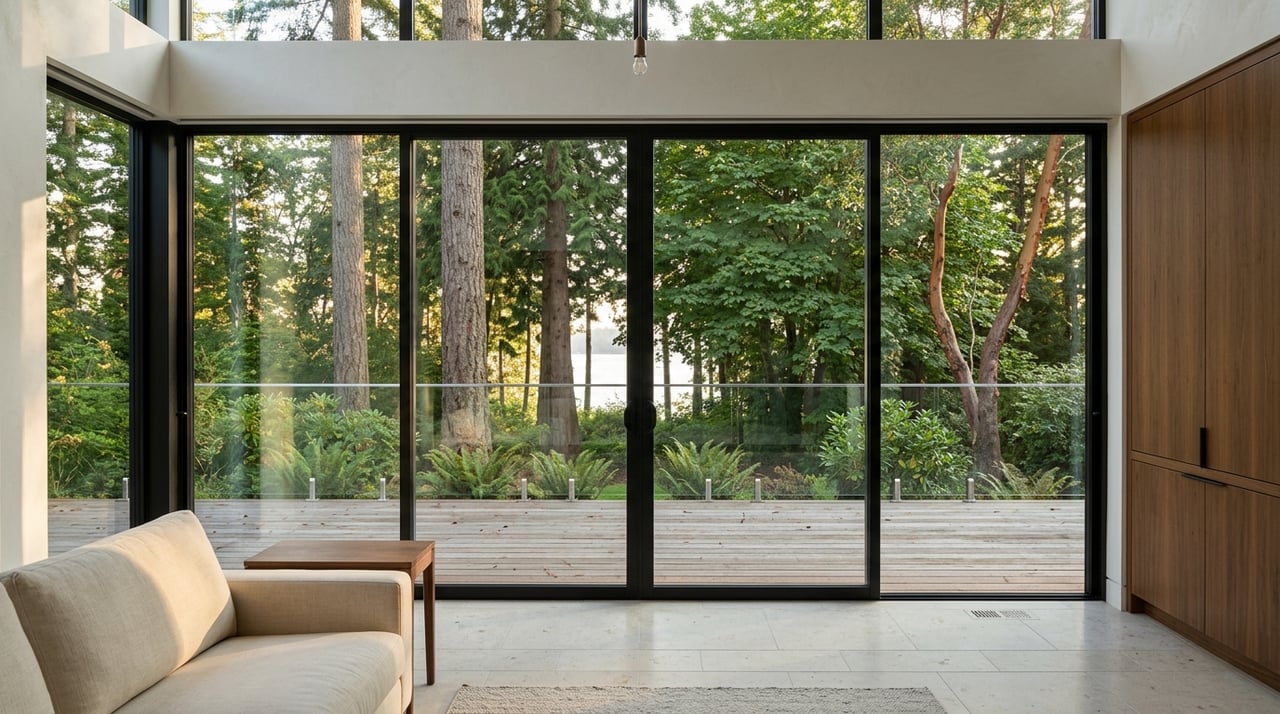
If you have ever wondered why one Clyde Hill view home commands a meaningfully higher price than another, the answer is usually more specific than simply “it has a view.” In this market, buyers tend to pay for the quality of the sightline, how private it feels, and how likely it is to stay open over time. If you are buying, selling, or simply trying to understand value in Clyde Hill, this guide will help you see what tends to drive premiums and why those details matter. Let’s dive in.
Clyde Hill Is Built for View Value
Clyde Hill has the physical traits that make views a real pricing factor. The city’s planning materials describe abundant territorial and water views, a top elevation near 375 feet, and a ridgeline that slopes west. Those conditions help create broad sightlines that can include Lake Washington, the Seattle skyline, Meydenbauer Bay, Kirkland, and downtown Bellevue.
The city also links its low-density residential pattern to large minimum lot sizes of 20,000 square feet. In practical terms, that means many homesites offer more breathing room than you would find in denser neighborhoods. That added separation can make a view feel more open, private, and exclusive.
In a market like Clyde Hill, those traits are not just aesthetic. They shape how buyers compare one property to another, especially at the top end of the price spectrum.
Premiums Start With View Scope
Not all views are valued the same way. Research cited in the report shows that housing markets tend to place larger premiums on broader, more dramatic, and more water-oriented views than on narrower or partial views.
That matters in Clyde Hill because the term “view home” can cover a wide range of experiences. One property may offer a wide sweep of Lake Washington and skyline lights from main living spaces, while another may have a smaller territorial glimpse from a secondary room. Both may have a view, but buyers often value them very differently.
When you evaluate a Clyde Hill home, start by asking a few simple questions:
- How wide is the view corridor?
- Is the view centered on water, skyline, or mostly territorial outlook?
- Which rooms capture the view?
- Does the view read as dramatic year-round or only seasonally?
The strongest premiums usually attach when the view is broad, visually compelling, and easy to enjoy in daily life.
Elevation and Site Position Matter
Elevation is one of the biggest drivers behind Clyde Hill’s view-home appeal. Because the city rises to a ridgeline and slopes west, site position can have a major effect on what you see and how far you see.
A higher or better-placed lot may capture longer sightlines across Lake Washington or toward Seattle. A nearby property on a less favorable position may still be attractive, but without the same openness or depth. In a limited-inventory luxury market, those differences can translate into meaningful pricing gaps.
This is one reason view premiums in Clyde Hill are highly property-specific. Two homes can be close in distance yet perform very differently in the market based on where they sit on the slope and how the home is oriented to the outlook.
Privacy Adds to the Premium
In Clyde Hill, privacy often works hand in hand with the view. The city’s low-density character and large lots can reduce immediate encroachment, which helps a view feel more protected and more serene.
For many luxury buyers, the premium is not just about what you see in the distance. It is also about what you do not see up close. If a home combines broad sightlines with a sense of separation from neighboring structures, that combination tends to be especially appealing.
This is one reason a similar view can command a higher price on one lot than another. The more private setting may create a more complete lifestyle experience, and buyers often respond to that difference.
Trees Can Help and Hurt Value
Trees are part of the Clyde Hill story. The city’s planning materials note that both trees and views contribute to livability, which means site design often involves a balance between view openness, privacy, and urban-forest benefits.
For homeowners, that creates an important nuance. Mature landscaping can enhance privacy and beauty, but foliage can also compete with sightlines. A property with a strong view today may be more vulnerable if trees on or near the site become a larger visual obstruction over time.
That does not mean trees are a negative. It means buyers and sellers should think carefully about how landscaping interacts with the home’s most valuable outlooks. In Clyde Hill, the premium usually comes from the right balance rather than from a single feature alone.
Durability Often Separates Good Views From Great Ones
A view tends to carry more value when buyers believe it will remain open. In Clyde Hill, that question matters because the city’s planning commission handles quasi-judicial view and sunlight complaints, which shows that sightline conflicts are an active local issue.
From a market perspective, durability can be just as important as beauty. A sweeping lake or skyline view from primary rooms may command a stronger premium if it appears relatively secure over time. A narrower or more vulnerable view may still matter, but buyers may price in the risk of future change.
If you are buying, it helps to look beyond the current staging moment. If you are selling, it helps to present the actual view corridor clearly and explain the site features that support it.
King County Data Confirms View Matters
Local assessment data supports what the market already suggests. In King County Assessor’s 2024 area report for Area 33, which includes Clyde Hill along with Medina, Hunts Point, and Yarrow Point, the valuation model included a positive HasView adjustment of 8.79 percent.
That does not mean every Clyde Hill view home is worth exactly 8.79 percent more than a non-view property. The report is based on mass appraisal across a broader combined area, and assessments are not the same as resale pricing for a specific address.
Still, it is strong local evidence that view is a measurable factor in value. In other words, the premium is not just a marketing phrase. It is part of how property is analyzed in this market.
Market Conditions Can Expand Premiums
View value does not stay fixed in every cycle. The research report cites Washington-based findings showing that water-view premiums can rise during market upturns and soften during downturns.
That pattern is useful in Clyde Hill’s current context. Realtor.com’s April 2026 summary shows a median listing price of $6.81 million, with 18 homes for sale and a median 46 days on market. In a high-price, low-inventory setting like this, buyers are often more willing to pay for differences in view quality, privacy, and site position.
So while the presence of a view matters, timing matters too. In stronger conditions, the market may place an even bigger spread between an average view and an exceptional one.
What Buyers Should Look For
If you are buying a Clyde Hill view home, it helps to move past the label and study the actual experience of the property. A smart evaluation looks at both visual impact and long-term resilience.
Focus on these points:
- View type: water, skyline, territorial, or a combination
- View width: panoramic, moderate, or narrow corridor
- View location: which rooms and outdoor spaces capture it
- View permanence: how vulnerable the sightline may be to trees or nearby changes
- Privacy: whether the setting feels open and sheltered at once
- Elevation: how the lot’s position supports depth and openness
A territorial view can absolutely matter. But the research consistently suggests that fuller, broader, and more water-oriented views tend to command the strongest premiums.
What Sellers Should Highlight
If you are selling, the strongest strategy is usually precise description rather than generic language. In Clyde Hill, buyers at this level tend to notice specifics.
That means it is more effective to describe the actual outlook and the way the home lives with it. If the main level captures Lake Washington and Seattle skyline views, say that clearly. If the site position, lot size, or landscaping helps preserve privacy and openness, those details are worth emphasizing too.
The goal is to show why your property’s view is not just present, but meaningful. In a luxury market, that distinction can shape both pricing and buyer confidence.
Why Premiums Are So Property Specific
The biggest takeaway is that Clyde Hill view premiums are rarely driven by a single checkbox. They are usually the product of several factors working together.
The homes that tend to stand out most combine:
- Elevated site position
- Broad lake, skyline, or territorial sightlines
- Strong privacy
- Large-lot setting
- Views from primary living spaces
- A sense that the view will remain open over time
That is why two homes with the same city name and similar square footage can perform very differently. In Clyde Hill, the market often rewards view quality, not just view presence.
If you are weighing a purchase or preparing to sell, careful property-specific analysis matters more here than almost anywhere else.
If you would like a discreet, property-specific conversation about how buyers are likely to view a Clyde Hill sightline, pricing spread, or positioning strategy, contact Patricia Wallace directly for a private consultation.
FAQs
How much does a view add to a Clyde Hill home’s value?
- King County’s 2024 Area 33 assessor model included a positive HasView adjustment of 8.79 percent, but that figure is directional and not a direct premium for any single Clyde Hill property.
Do territorial views matter in Clyde Hill home pricing?
- Yes. Territorial views can add value, though the research cited in the report shows stronger premiums for broader and more water-oriented views than for narrower or partial views.
Why do some Clyde Hill view homes sell for much more than others?
- Buyers typically pay more for a combination of broad sightlines, favorable elevation, privacy, and a view that appears more durable over time.
Do property tax assessments equal Clyde Hill resale value?
- No. King County assessments are based on mass appraisal and are useful context, but they are not a substitute for property-specific market pricing.
Can trees affect a Clyde Hill view premium?
- Yes. Trees can enhance privacy and livability, but they can also compete with sightlines, which may affect how buyers judge the quality and durability of a view.
Do Clyde Hill view premiums change with the market?
- Yes. The research report cites Washington findings showing that water-view premiums can increase in stronger markets and soften in weaker ones.