If you are preparing to sell a Denny Blaine estate, you are not just bringing a house to market. You are presenting a setting, a history, and a highly specific buying opportunity in one of Seattle’s most visually distinctive areas. When the property carries legacy value, emotional weight, or estate-related logistics, the stakes are even higher. This guide walks you through the strategic decisions that can protect value, reduce friction, and help you position the property with care. Let’s dive in.
Denny Blaine Means More Than the House
Denny Blaine developed as a planned Lake Washington subdivision in 1901, with winding streets and hillside parks shaped by the contours of the land. Seattle’s historic-preservation materials also point to the area’s long relationship to shoreline, views, and landscape, including Denny Blaine Park’s old stone wall marking the pre-1917 shoreline. In practical terms, buyers often respond to the full experience of the property, not just the floor plan.
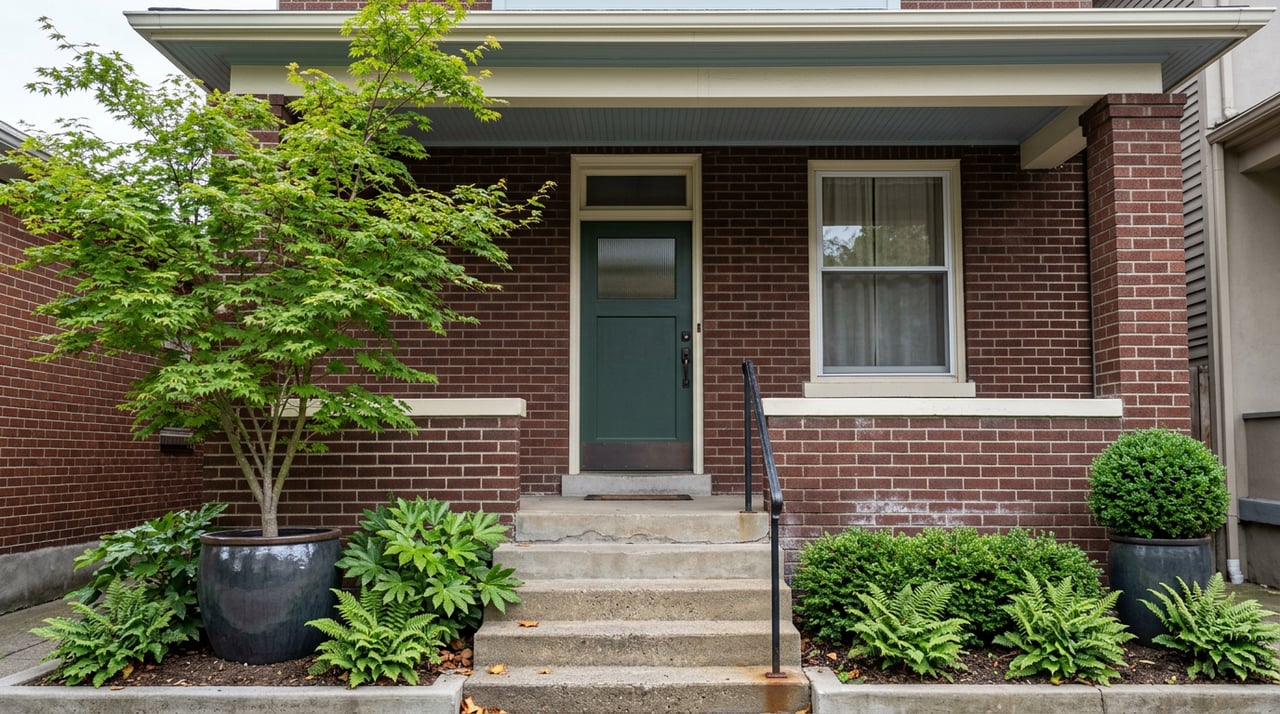
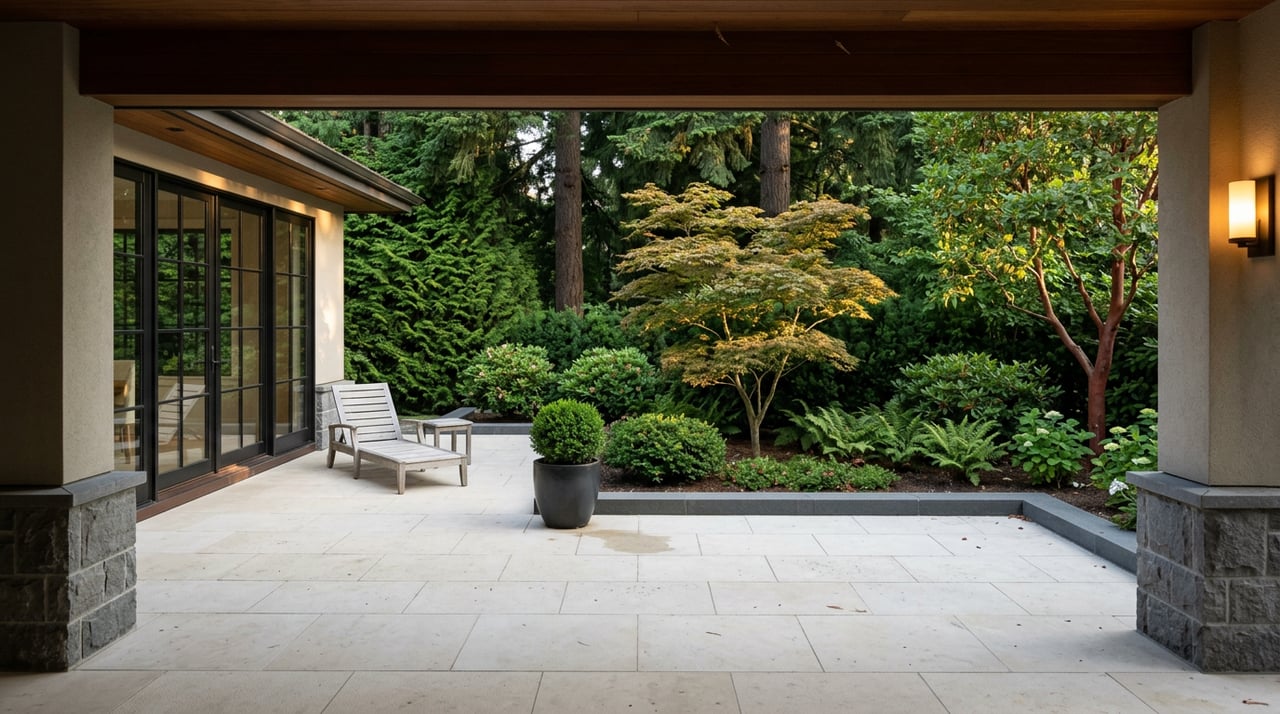
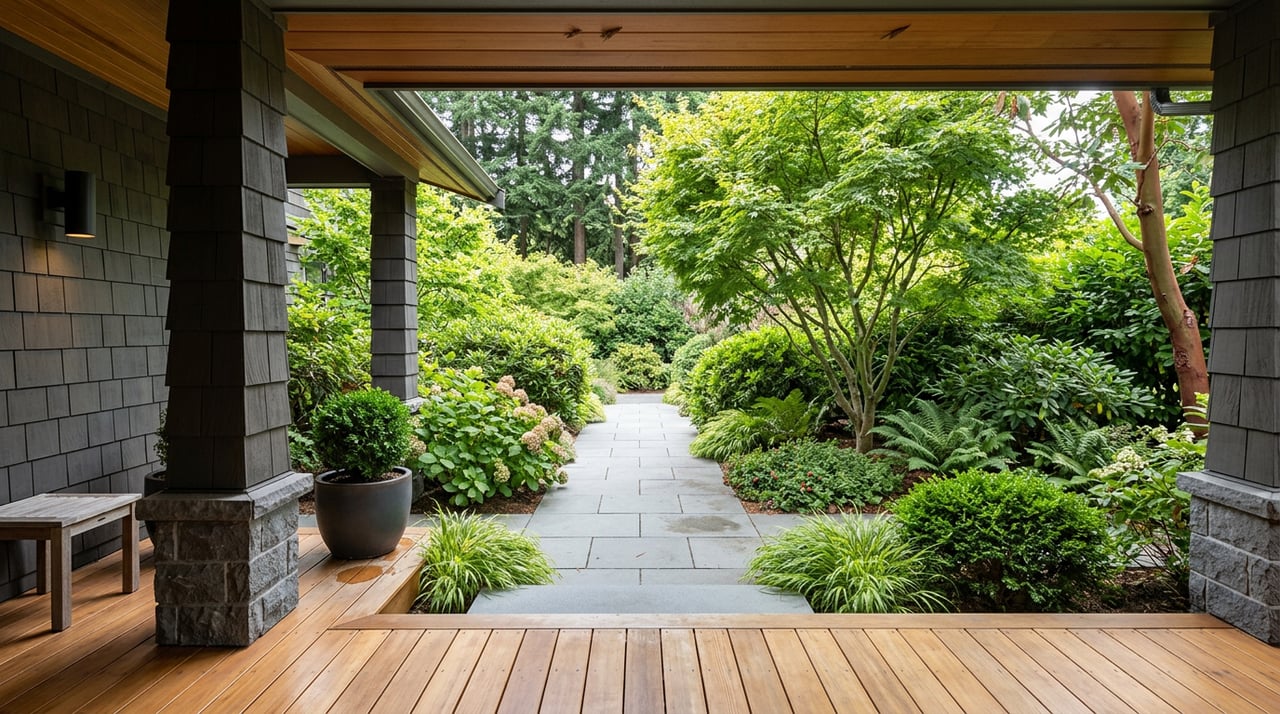
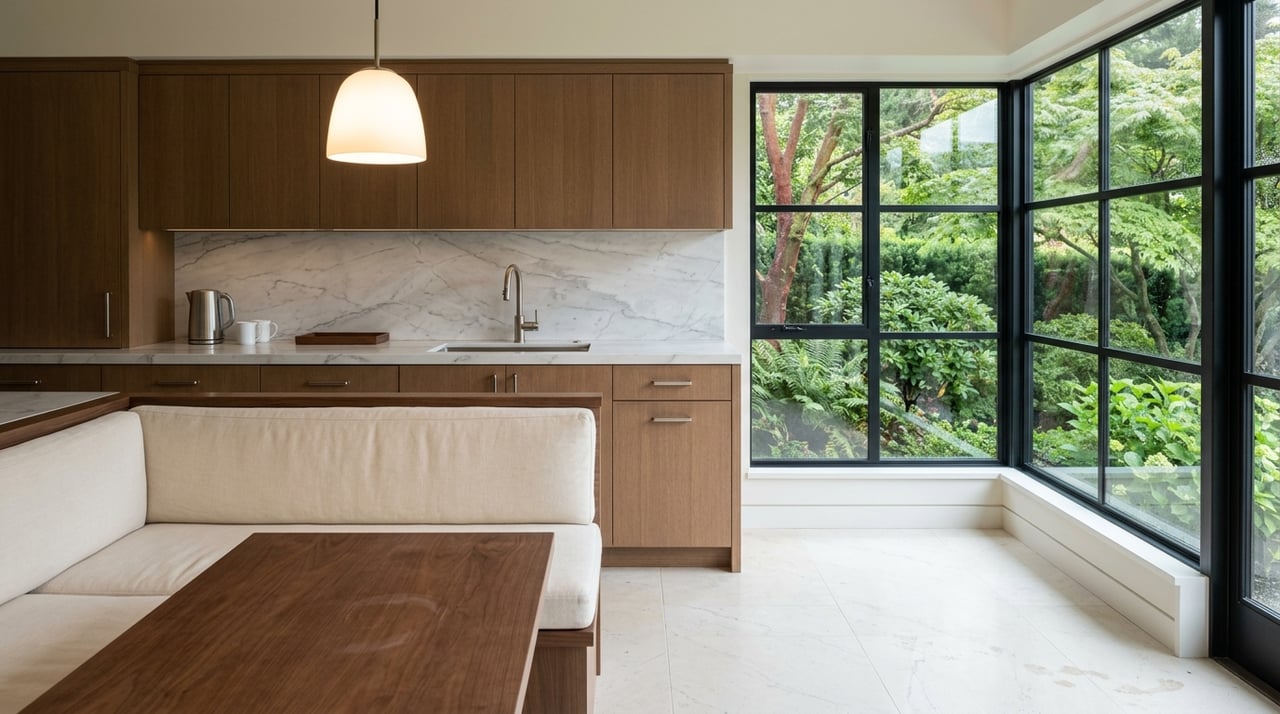
For that reason, a Denny Blaine estate should be marketed as a complete composition. The approach, gardens, terraces, view corridors, and indoor-outdoor relationship all influence how buyers perceive value. If you treat the home and grounds as one asset, you are more likely to present the property the way the market actually sees it.
Price Within the Right Luxury Segment
One of the biggest mistakes in an estate sale is relying on broad market numbers that do not reflect the actual buyer pool. NWMLS reported that in June 2026, active listings across the region were up 16.4% year over year, with 3.37 months of inventory across the service area and a King County median sales price of $889,000. Those figures are useful background, but they do not define the market for a Denny Blaine estate.
The more relevant comparison is the upper-end segment. In the Seattle metro luxury market, Redfin reported a median luxury sale price of $2,992,812 for the three months ending May 2026, with luxury active listings up 13.9% year over year, pending sales down 14.8%, closed sales down 13.0%, and a median 10 days on market. NWMLS also reported 982 King County residential sales at $2 million or more in 2025, with 24% in Seattle and 72% on the Eastside.
What does that mean for you? The luxury buyer pool is smaller and more selective. Strong properties can still attract quick interest, but overpricing can narrow the audience fast, while under-preparation can make a legacy home feel less competitive than it should.
Position the Estate as a Complete Experience
A Denny Blaine estate often competes on qualities that are hard to reduce to a price-per-square-foot formula. Buyers may be weighing the home’s architecture, the sense of arrival, the maturity of the landscaping, and how well the site connects to light, water, and privacy. That means your positioning strategy should show how the property lives, not simply what it contains.
This is especially important in a market where buyers have more choices than they did during tighter inventory cycles. When active luxury listings rise and pending sales soften, presentation matters even more. The homes that stand out tend to feel coherent, intentional, and ready for a buyer to understand immediately.
Prepare Key Rooms and Grounds First
Pre-listing work should focus on the areas that shape first impressions. According to the 2025 staging survey, 83% of buyers’ agents said staging helps buyers visualize a property as their future home. Sellers’ agents most often staged the living room, primary bedroom, dining room, and kitchen.
The same survey found that agents most often recommended decluttering, full-home cleaning, and curb appeal improvements. It also reported that photos, videos, and physical staging are among the most important listing tools. For an estate-caliber property, those findings support a simple idea: buyers need clarity.
For a Denny Blaine property, preparation usually works best when it highlights architecture and site design rather than adding too much visual noise. That may include:
- Editing furnishings so major rooms feel balanced and proportional
- Cleaning and refining sightlines to windows, terraces, and garden areas
- Refreshing the arrival sequence from street to entry
- Making mature landscaping feel intentional and maintained
- Ensuring exterior spaces read as extensions of the home’s design
Respect Historic and Preservation Review
Before making exterior or major design changes, it is important to understand whether the property is subject to Seattle preservation rules. The city states that if a property is a landmark or located in a preservation district, exterior changes and sometimes interior changes may require review and a Certificate of Approval. The city also notes that landmarks can include buildings that embody a distinctive style or serve as an easily identifiable visual feature of a neighborhood.
That matters because well-meant pre-sale improvements can create delays if approvals are required. If your home has architectural significance or a recognized historic presence, review should happen early. A thoughtful strategy often protects both timeline and value.
Review Estate and Title Documents Early
If the sale involves an estate, trust, or inherited property, document coordination should start before the listing goes live. King County describes probate as the court-supervised process for distributing a deceased person’s money and property, and notes that it may be preferable when debts, claims, taxes, or disagreement over division are expected. Even when probate is not required, authority and documentation should be confirmed at the start.
For a legacy property, early review helps prevent avoidable closing issues. Recorded documents in King County can include deeds, easements, plats, and other ownership records, all of which may shape how the property is marketed and transferred. The county also makes clear that preparing the recording document is the preparer’s responsibility, not the Recorder’s Office’s.
Documents to confirm before listing
- Who has legal authority to sign sale documents
- The full legal description of the property
- The recorded plat and any easements
- Any restrictions or recorded encumbrances affecting use or access
- Whether probate or other estate administration steps are still pending
Understand Closing Mechanics in King County
Closing preparation should begin well before you accept an offer. King County requires a Real Estate Excise Tax Affidavit to be completed and signed before the deed is recorded. The county also notes that the seller typically pays REET.
These are standard details, but in an estate sale they can affect timing, signatures, and coordination across multiple parties. When the transaction includes personal representatives, trustees, or family stakeholders, a clear process becomes part of the value strategy. Fewer surprises at closing usually means a smoother path from contract to recording.
Presentation and Pricing Must Work Together
Pricing and preparation are not separate decisions. In a selective luxury segment, the asking price sets expectations, and the presentation must support them from the first showing onward. If the property enters the market at an ambitious price without the visual and documentary readiness to match, buyers may hesitate.
The opposite is also true. When the estate is carefully prepared, properly documented, and priced in line with the true luxury comp set, you give buyers a cleaner story to trust. That is often what supports strong early attention in a market where serious buyers are moving with discipline.
Why Principal-Led Guidance Matters
Selling a Denny Blaine estate usually involves more than marketing alone. It can require discretion, careful coordination, and a nuanced understanding of how legacy properties are judged by high-end buyers. That is where direct, experienced guidance can make a meaningful difference.
With estate-caliber homes, details matter at every stage, from valuation and presentation to negotiation and closing coordination. A principal-led approach helps keep those decisions aligned, especially when the property carries both emotional significance and substantial market value.
If you are weighing when and how to bring a Denny Blaine estate to market, Patricia Wallace offers direct, discreet counsel tailored to legacy and luxury property sales across the Lake Washington corridor.
FAQs
What makes selling a Denny Blaine estate different from selling another Seattle home?
- A Denny Blaine estate is often valued as a complete setting, including architecture, gardens, views, approach, and relationship to the land, not just interior square footage.
What market data matters most when pricing a Denny Blaine estate?
- The most useful data comes from the luxury segment, not the overall King County median, because the buyer pool for estate-caliber homes is smaller and more selective.
What should sellers prepare before listing a Denny Blaine estate?
- Focus first on decluttering, cleaning, curb appeal, key room presentation, and making exterior spaces feel intentional so the home and grounds read as one cohesive property.
What should sellers know about historic review for a Denny Blaine property?
- If the property is a Seattle landmark or in a preservation district, exterior changes and some interior changes may require review and a Certificate of Approval before work begins.
What documents are important in a King County estate property sale?
- Sellers should confirm signing authority, legal description, recorded plat, easements, and any restrictions early so title and closing coordination can proceed with fewer delays.
What closing item is required to record a property transfer in King County?
- King County requires a Real Estate Excise Tax Affidavit to be completed and signed before the deed can be recorded.