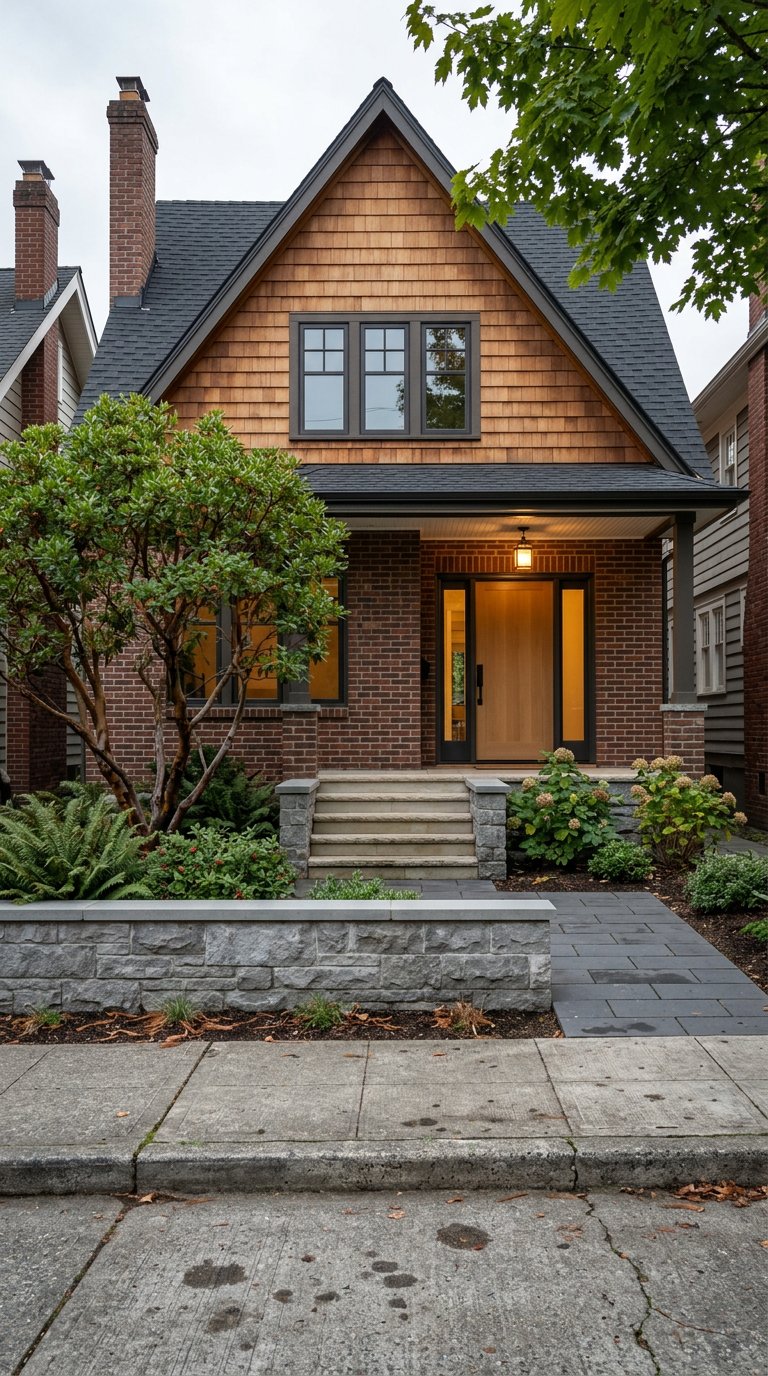
Looking at Capitol Hill but not sure which pocket truly fits your lifestyle? You’re not alone. This hill blends landmark mansions, park-side streets, and a vibrant urban core into a few blocks. In this guide, you’ll see how the luxury micro-neighborhoods compare on feel, price, value drivers, and the due diligence that matters before you bid. Let’s dive in.
Why Capitol Hill appeals to luxury buyers
Capitol Hill offers rare in-city convenience with a strong long-term premium on walkability and transit. The neighborhood’s Link light rail station anchors easy commuting across Seattle and to Sea-Tac, which supports both daily life and resale appeal. You can review station details and access points on the Sound Transit page for Capitol Hill Station.
Walkability here is among the city’s strongest. The 98102 area earns high marks for walking and transit, which helps sustain buyer demand over time. Explore current scores on Walk Score’s 98102 page.
Architecturally, Capitol Hill blends early 20th-century estates and classic apartment houses with newer condo and townhome product. That mix, paired with its cultural history, creates distinct micro-markets within a compact area. For a short historical overview of the neighborhood’s evolution and architecture, see HistoryLink’s Capitol Hill profile.
Quick market lens: price bands that matter
Because condos and co-ops make up a large share of local inventory, different data providers report different medians for 98102. In recent snapshots, neighborhood medians ranged from the low-to-mid six figures for all property types to materially higher values for zip-level listings. The main takeaway for affluent buyers is to think in bands by product type, not a single number.
- Condos and townhomes: commonly $400,000 to $1.5 million depending on building, size, amenities, and parking.
- Newer luxury rowhomes and townhomes: often $800,000 to $1.8 million.
- Single-family and landmark properties near Harvard-Belmont and the Volunteer Park slopes: typically $1.5 million to $5 million+, with wide swings due to low turnover.
When you evaluate a specific home, rely on building-level or block-level sold comparables for the most accurate read.
Harvard-Belmont: the classic luxury enclave
Harvard-Belmont sits on the west slope and is a formally recognized landmark district defined by grand early-1900s residences, tall trees, and landscaped lots. Landmark status adds city oversight for exterior changes, which protects architectural character and reduces redevelopment risk. Review the City’s historic-preservation materials for context and permitting guidance in the Harvard-Belmont Landmark District documents.
Expect large Edwardian and revival-style mansions alongside a handful of high-quality cooperative and condominium buildings that respect the historic fabric. The streets are quieter, with a short walk to Volunteer Park and a more removed feel from Pike/Pine nightlife. According to recent neighborhood-level reporting, the median sale in Harvard-Belmont has hovered in the multi-million-dollar range, with individual landmark condos and townhomes also reaching into the millions. Volume is thin, so pricing can vary widely year to year.
Buyer considerations in Harvard-Belmont
- Landmark protections: Exterior changes often require approvals. Build time into your plan and confirm what is allowed before you buy. See the City’s historic-preservation guidance.
- Ownership costs: Older estates may need seismic, roof, and systems modernization and consistent landscape care.
- Privacy and scarcity: Limited turnover and strong character support long-term value for well-maintained properties.
Volunteer Park pockets: park-side elegance
The blocks around Volunteer Park offer a refined, park-centric lifestyle with easy access to the Conservatory, the great lawn, and neighborhood paths. The park’s amenities, including the Seattle Asian Art Museum, are durable anchors that bolster neighborhood character and appeal. Explore the park’s attractions on Seattle Parks & Recreation’s page and learn more about the museum on the Seattle Art Museum site. The Conservatory’s programs and events are highlighted by the Volunteer Park Conservatory.
Homes here range from restored early-1900s residences to boutique condominiums with select units that command premiums for frontage, skyline, or water views. Renovated single-family homes and historic mansions near the park often list in the mid to high single-millions. Because each property is unique, plan to study block-level sales to calibrate value.
Buyer considerations near Volunteer Park
- Park adjacency premium: Proximity and views can lift pricing and support long-term demand.
- Lifestyle fit: Morning runs, museum programs, and green space define the daily rhythm.
- Noise and traffic: Generally calmer than Pike/Pine, but events and popular weekends can draw visitors.
North Capitol Hill, Broadway & Pike-Pine: the active core
Broadway and the Pike-Pine corridor form Capitol Hill’s urban spine. Here you’ll find the densest mix of restaurants, music venues, shops, and transit access via the Link station. This area suits buyers who value a short commute, lively street life, and the conveniences of a central address.
Housing is a mix of modern mid-rise and high-rise condos, classic walk-ups, and new townhomes. Buildings with deeded parking and strong amenities often command a premium. Condos and townhomes in this corridor typically range from about $400,000 to $1.5 million, with newer or well-appointed residences exceeding $1 million.
Buyer considerations in the core
- HOA strength: Review financials, reserve studies, and any special assessments before you bid.
- Parking and access: Deeded or garage parking is a meaningful differentiator for both use and resale.
- Supply cycles: New buildings and station-area projects can add short-term inventory, which affects pricing in the near term.
Long-term value drivers to weigh
Transit and walkability
A short walk to the light rail and frequent bus routes supports both lifestyle and liquidity. Properties near the station and retail core often retain a steady pool of buyers. Confirm station access points and service details on the Capitol Hill Station page, and check current neighborhood metrics on Walk Score.
Parks, culture, and placemaking
Volunteer Park, the Conservatory, and the Seattle Asian Art Museum are enduring assets. Homes nearby often benefit from stable character and a consistent draw for residents and visitors. See programming at the Volunteer Park Conservatory and Seattle Art Museum’s Asian Art Museum page.
Landmark status and zoning
Harvard-Belmont’s landmark protections preserve architecture and reduce redevelopment risk, which can support long-term scarcity value while adding approvals for exterior work. In contrast, Broadway and Pike-Pine are zoned for higher density, so most new inventory will appear there. For historic rules, use the City’s landmarks documentation. For station-area planning context, see the City’s coordinated development plan for Capitol Hill Station sites.
Product type risk: condos vs. single-family
Condo markets are more sensitive to interest rates, HOA reserves, and special assessments. Single-family and landmark properties have lower turnover and fewer direct comparables, which can create wider price bands. Either way, align your valuation with building-level or block-level solds.
Development pipeline and construction impacts
Transit-oriented development near the station and mixed-use corridors brings new amenities and can lift values after completion, yet nearby construction may be a short-term headwind. Review coordinated planning documents for timing and project scope in the station-area plan.
Due diligence checklist for affluent buyers
Confirm micro-location and rules
- If the property sits in Harvard-Belmont, understand permit and approval steps for exterior work using the City’s landmark materials.
Use the right comparables
- For condos, pull recent solds in the same building and floor plan. For single-family, look at nearby block or block-face sales.
Historic home inspections
- Order structural and seismic inspections and request records for roof, foundation, sewer, electrical, and HVAC. Verify that past modifications received proper approvals.
Condo and townhome review
- Request HOA bylaws, minutes for the last 12–24 months, reserve study, assessments, insurance, and litigation disclosures. Confirm rental rules and EV policies. Verify assigned parking.
Schools and amenities
- If proximity to specific campuses or cultural venues is important, map distances in advance. Capitol Hill hosts several private schools with local campuses, along with museum and park resources.
Public projects and construction
- Check for service alerts and nearby projects that could affect noise or access. Start with Capitol Hill Station information and City planning documents.
Ownership costs and taxes
- For older estates, budget 1 to 2 percent of property value per year for maintenance. Ask a tax advisor about assessed value history and likely reassessment timing after sale or renovation.
Which micro-neighborhood fits you?
- Choose Harvard-Belmont if you value architectural pedigree, privacy, and long-term character. Expect more approvals for exterior work and higher ongoing maintenance for historic properties.
- Choose Volunteer Park pockets if daily access to green space and cultural anchors defines your lifestyle. Pricing near the park often carries a premium that can support resale.
- Choose North Capitol Hill/Broadway & Pike-Pine if you want energetic urban living with the shortest hop to dining, nightlife, and transit. Be ready to evaluate HOA strength, parking, and supply cycles.
If you want a quiet, mansion-scaled setting with historic presence, focus west of the park. If your ideal day starts in the Conservatory and ends at a neighborhood bistro, target the hilltop around Volunteer Park. If you thrive on convenience and a vibrant street scene, the Broadway and Pike-Pine core will likely be the best fit.
Ready to align a property search with your lifestyle and investment goals? Contact Patricia Wallace directly for a private consultation.
FAQs
What defines the Harvard-Belmont Landmark District in Seattle?
- It is a City of Seattle landmark district on Capitol Hill’s west slope with protections for exterior changes that preserve architectural character and reduce redevelopment risk.
How do condo HOA finances affect a Capitol Hill purchase?
- Reserves, recent special assessments, and insurance materially impact both monthly costs and resale value, so review the reserve study, minutes, and financials before you bid.
Is living near Volunteer Park worth a premium in 98102?
- Many buyers value daily access to the park, Conservatory, and museum, which can support pricing and long-term demand for nearby homes, especially those with views or frontage.
What is the typical price range for luxury homes in 98102?
- Renovated single-family and landmark residences often range from about $1.5 million to over $5 million, while high-end condos and townhomes typically run $400,000 to $1.5 million+.
How does transit access impact value on Capitol Hill?
- Proximity to the Link light rail and frequent bus routes supports everyday convenience and tends to sustain buyer demand, which helps with long-term liquidity and resale.
Are there restrictions on remodeling historic homes in Harvard-Belmont?
- Yes. Exterior alterations often require approvals from the City’s historic-preservation program, so confirm rules and timelines before planning significant changes.