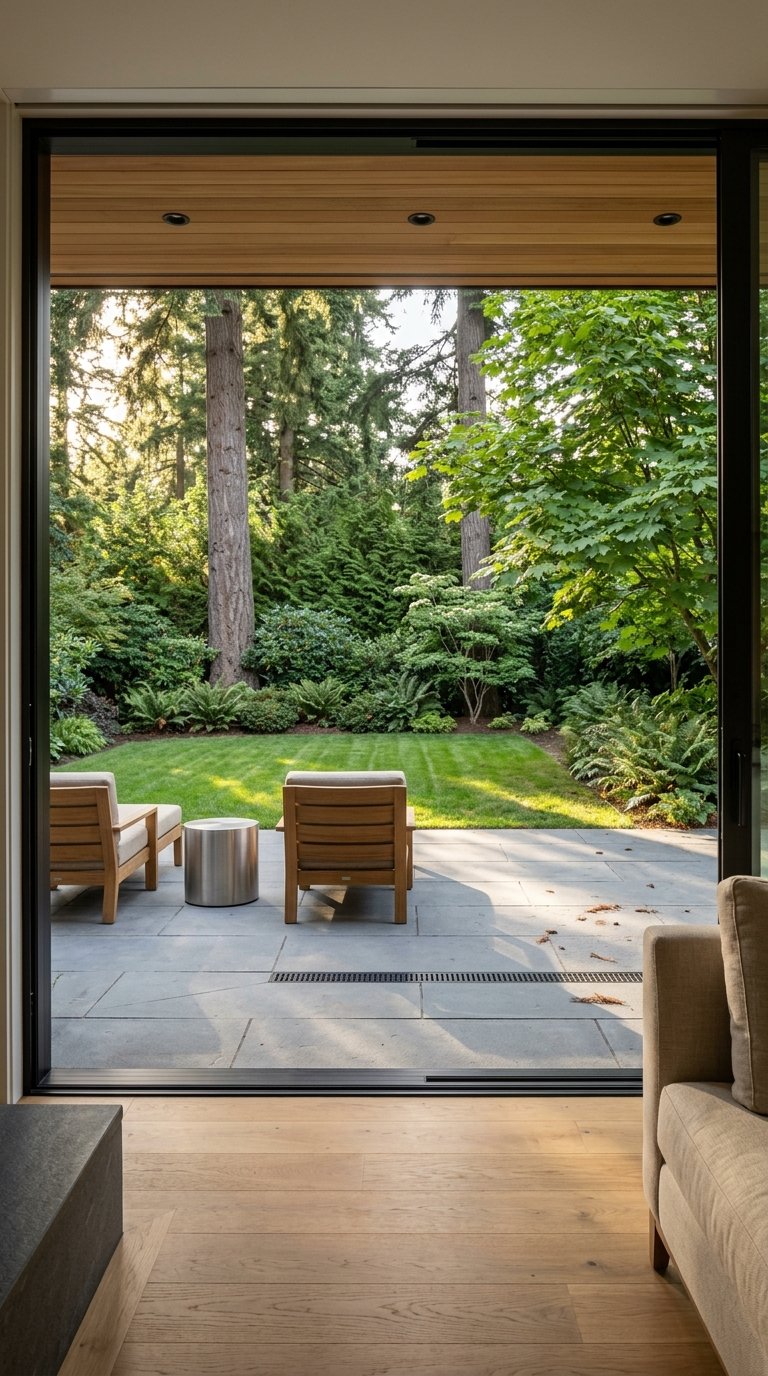
Looking for a Seattle neighborhood that feels tucked away without giving up city access? Magnolia stands out for exactly that balance. If you are drawn to water views, expansive parks, a quieter residential setting, and an understated sense of luxury, Magnolia offers a lifestyle that feels distinct from many other Seattle neighborhoods. Let’s dive in.
Why Magnolia Feels Different
Magnolia is shaped first by geography. City materials describe it as a topographically distinct, relatively isolated part of Seattle, which helps explain why the neighborhood often feels calm, private, and removed from the pace of denser urban areas. Its bluff landscape and long-established tree canopy also give it a layered, residential character that has defined the area for generations.
That setting supports a lifestyle many buyers are looking for today. Instead of a dense commercial core, Magnolia is primarily residential, with a smaller everyday center in Magnolia Village along West McGraw Street. According to city planning materials, the neighborhood combines a residential identity with a practical village-style shopping district, creating a low-key rhythm that feels both convenient and quiet.
Waterfront Living Without the Noise
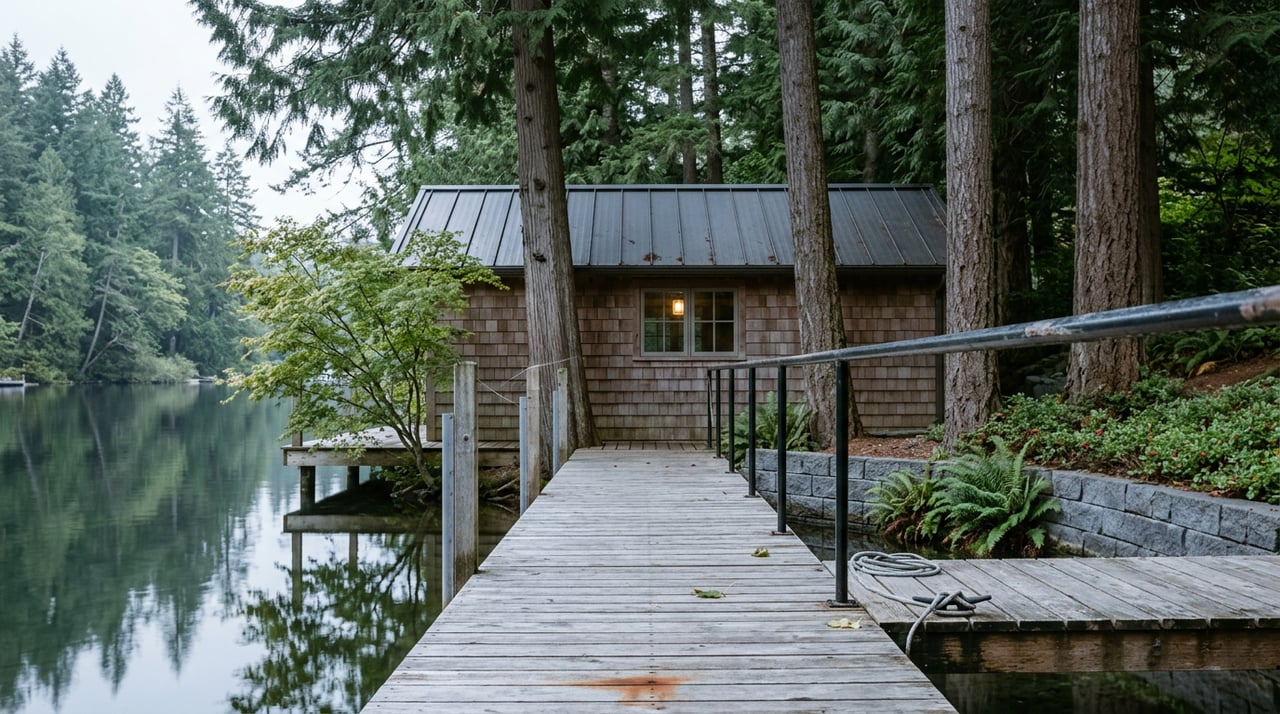
One of Magnolia’s biggest draws is how closely daily life connects to the water. This is not a neighborhood defined by nonstop activity or a highly commercial shoreline. Instead, Magnolia offers a more restrained waterfront experience, where views, bluff edges, and pockets of shoreline create a sense of retreat.
That quieter setting is a big part of the appeal. For buyers who value privacy and scenery, Magnolia often feels more like an escape than a typical in-city neighborhood. The result is a form of luxury rooted less in flash and more in space, calm, and access to nature.
Discovery Park Sets the Tone
For many people, Magnolia starts with Discovery Park. Seattle Parks describes it as the city’s largest park at 560 acres, with two miles of protected tidal beaches, open meadow, forest, sea cliffs, and views of both the Cascade and Olympic ranges.
Just as important, the city emphasizes the park’s quiet and tranquility. That matters because Discovery Park is not simply a scenic backdrop. It helps shape the day-to-day feel of Magnolia, giving residents unusual access to open space, shoreline, and long-view landscapes within Seattle.
Bluff Views and Green Space
Magnolia’s scenic identity extends well beyond one landmark park. Magnolia Boulevard offers a long stretch of green space with bluff-top views over Puget Sound, reinforcing the neighborhood’s walkable and visually open character.
Nearby, Magnolia Park adds another bluff-side setting with Puget Sound views, picnic areas, and tennis courts. These spaces help define the neighborhood’s everyday luxury. You are not just near parks in Magnolia. In many parts of the neighborhood, green space and water outlooks are part of the regular routine.
A True Waterfront Edge
Magnolia also has a more direct shoreline presence. Magnolia Tidelands Park sits below Magnolia Bluff and gives the neighborhood a true waterfront edge, even if the shoreline is not one continuous public beach.
For residents, that adds depth to the lifestyle. Magnolia is not only about elevated views from above. It also includes moments of real shoreline access and a stronger connection to Elliott Bay than many buyers may expect.
Everyday Outdoor Variety
Beyond the headline destinations, Magnolia offers a range of smaller-scale outdoor amenities that make the neighborhood feel especially livable. Magnolia Manor Park includes views, a dog off-leash area, and a P-Patch, adding another layer of day-to-day usefulness for residents.
This variety matters because it rounds out the neighborhood experience. Luxury in Magnolia is not only about dramatic outlooks. It is also about having meaningful green space woven into ordinary life.
The Marina and Waterfront Atmosphere
Magnolia’s waterfront character also connects to boating and marina access. Elliott Bay Marina sits near Smith Cove on the north shoreline of Elliott Bay and is known for skyline and Olympic Mountain views.
Even for residents who do not keep a boat, the marina contributes to Magnolia’s broader sense of place. It reinforces the neighborhood’s relationship to the water and adds to the coastal, Pacific Northwest atmosphere that makes the area feel polished but understated.
Magnolia Village Keeps Daily Life Easy
A neighborhood can be beautiful, but it also has to work in everyday life. Magnolia Village plays that role well. City documents describe the district along West McGraw Street as home to retail establishments, specialty stores, professional services, and restaurants, giving the neighborhood a functional center without making it feel overbuilt or overly commercial.
That balance is one of Magnolia’s strongest lifestyle advantages. You can enjoy a more residential setting while still having nearby options for errands, dining, and daily needs. For many buyers, that is a key part of the neighborhood’s quiet luxury appeal.
Community Amenities Add Practical Value
Magnolia also benefits from a strong collection of civic and recreational amenities. Magnolia Playfield stretches several city blocks and sits next to Magnolia Community Center, Blaine Elementary, and Mounger Pool.
The Magnolia Community Center reopened in January 2026 after a stabilization project that improved accessibility and upgraded the building. Nearby, the Magnolia Branch of The Seattle Public Library offers meeting space, study rooms, public computers, wifi, bus access, and free parking in a library noted for its award-winning architecture and landscaping.
These amenities support the neighborhood’s self-contained feel. Magnolia offers more than scenery. It provides a practical, established framework for everyday living.
Quiet Luxury in Magnolia
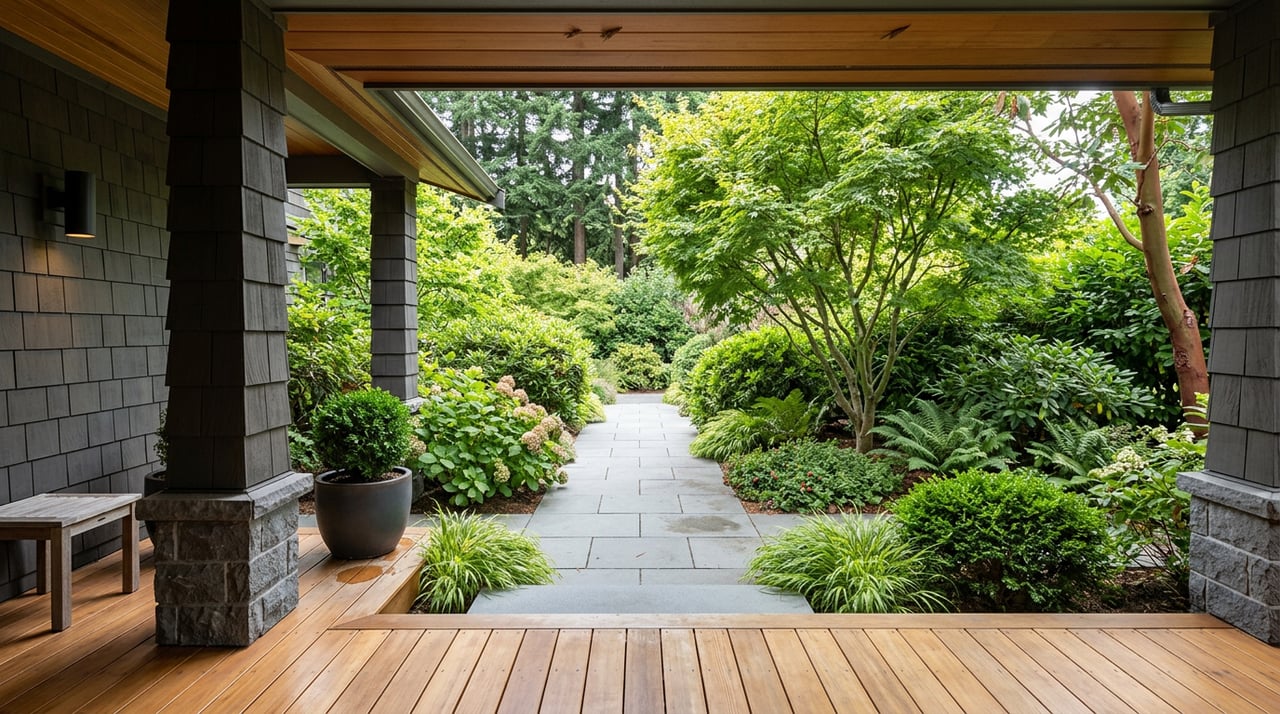
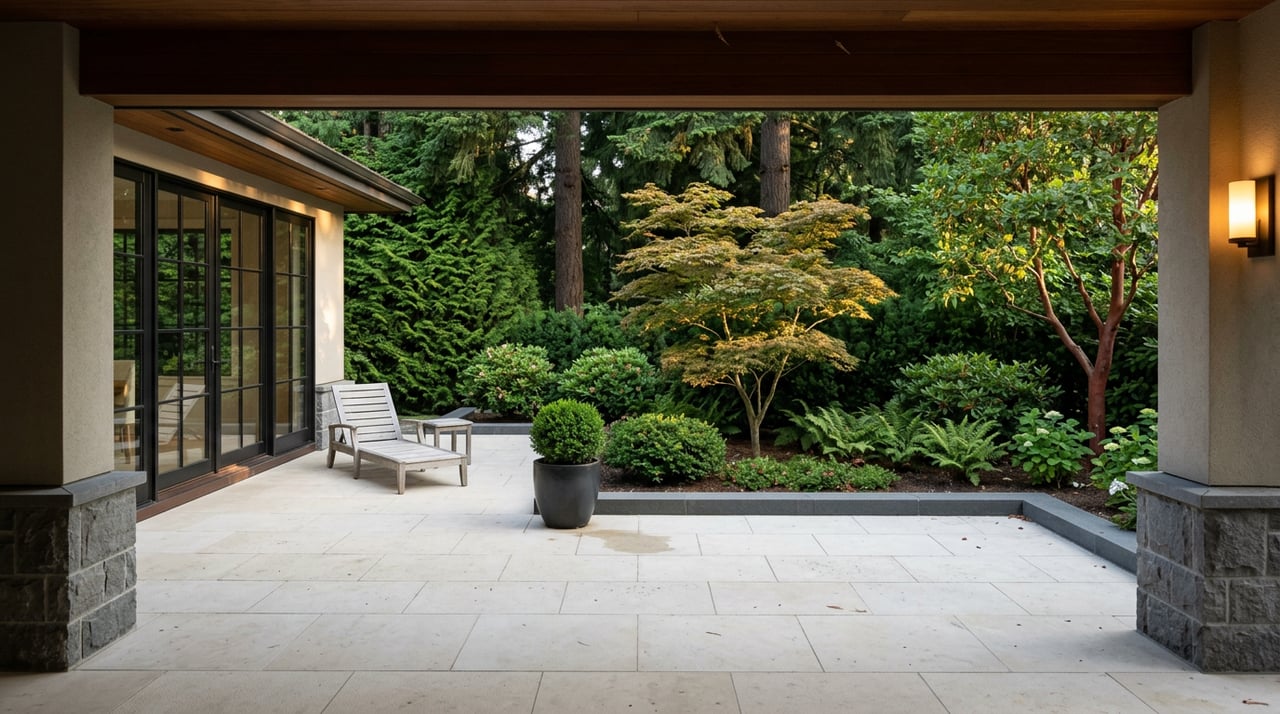
Luxury means different things in different neighborhoods. In Magnolia, it tends to show up in more subtle ways. The appeal comes from land, views, green space, privacy, and a neighborhood pattern that resists over-commercialization.
Seattle’s Fort Lawton redevelopment materials describe Magnolia as a desirable high-opportunity area with access to parks and schools. For buyers considering lifestyle as much as real estate, that framing is helpful. Magnolia’s value is tied to its physical setting and quality-of-life advantages, not just proximity to the urban core.
This is why Magnolia often resonates with buyers seeking a calmer form of in-city living. It offers a polished residential environment where the experience is shaped by open space, water, and privacy rather than constant activity.
Access to Seattle Still Matters
Privacy works best when it does not feel isolating. Magnolia benefits from that balance too. According to SDOT’s Magnolia Bridge planning page, four bridges connect the neighborhood to the rest of Seattle, and the city continues regular maintenance and 24-hour monitoring on Magnolia Bridge.
Those same city materials note that Magnolia Bridge connects pedestrians to Smith Cove Park and Elliott Bay Marina and links to 15th Avenue West and Elliott Avenue West. The Elliott Bay multi-use trail also connects Magnolia with downtown Seattle through Myrtle Edwards Park, adding another layer of practical connectivity.
Walking and Cycling Connections
For people who value active transportation, Magnolia has meaningful options. The 33rd Ave W pedestrian and bicycle bridge links Magnolia to Ballard and the Burke-Gilman Trail.
City project materials also say this connection helps cyclists reach Discovery Park as well as jobs in Uptown, South Lake Union, and Downtown. That reinforces a core Magnolia advantage: the neighborhood feels secluded, but it remains tied into the larger city network.
What Future Projects Could Mean
Magnolia’s character is established, but some public spaces around it continue to evolve. The city’s updated Fort Lawton redevelopment plan calls for up to 500 affordable homes and nearly 22 acres of public parkland within the Discovery Park and Fort Lawton area.
The same planning context notes that Smith Cove Park Phase 1 is moving forward with an expected opening in early summer 2027. For buyers, that suggests Magnolia’s core residential identity is likely to remain stable while its broader open-space network continues to improve around the edges.
Is Magnolia the Right Fit for You?
If you are looking for a neighborhood with a strong sense of retreat, Magnolia deserves serious attention. Its value comes from a mix that is difficult to replicate: a peninsula setting, major parkland, bluff and water views, neighborhood-scale conveniences, and practical access to the rest of Seattle.
For buyers drawn to understated prestige, Magnolia offers a compelling version of Seattle luxury. It is scenic without feeling performative, residential without feeling disconnected, and established without losing relevance. If you are considering Magnolia as part of your search for a water-oriented or privacy-focused lifestyle, Patricia Wallace can help you evaluate whether the neighborhood aligns with your goals and guide you through the market with discretion and care.
FAQs
What makes Magnolia different from other Seattle neighborhoods?
- Magnolia is a primarily residential peninsula neighborhood known for its parkland, bluff and water views, Magnolia Village, and a quieter setting that still maintains access to the rest of Seattle.
What parks define the Magnolia lifestyle?
- Discovery Park is the signature amenity, and Magnolia Boulevard, Magnolia Park, Magnolia Tidelands Park, Magnolia Manor Park, and Magnolia Playfield all add to the neighborhood’s outdoor lifestyle.
Does Magnolia have convenient everyday amenities?
- Yes. Magnolia Village along West McGraw Street includes neighborhood-scale retail, specialty stores, professional services, and restaurants, supported by nearby civic amenities like the community center and library.
Is Magnolia well connected to downtown Seattle?
- Yes. SDOT states that four bridges connect Magnolia to the rest of Seattle, and the neighborhood also benefits from trail, pedestrian, and bicycle links to other parts of the city.
Why is Magnolia considered a quiet luxury neighborhood?
- Magnolia’s appeal comes from privacy, green space, water views, established residential streets, and a more understated lifestyle centered on scenery and livability rather than high-density commercial activity.