If you only look for one signature style in Washington Park, you will miss what makes the neighborhood so compelling. This pocket of Seattle is defined less by a single look and more by a layered architectural story shaped by the Arboretum, Lake Washington Boulevard, and the shoreline setting. If you are buying, selling, or simply trying to understand what gives these homes their staying power, this guide will help you see the design patterns that matter most. Let’s dive in.
Washington Park’s Setting Shapes Its Architecture
Washington Park’s homes do not exist apart from the landscape. The neighborhood sits alongside the Washington Park Arboretum, a 230-acre botanical setting on the shores of Lake Washington, and the nearby boulevard corridor was planned as part of the Olmsted Brothers’ Emerald Necklace.
That context matters because architecture here has always been tied to views, mature trees, and the feeling of moving through a designed landscape. Seattle Parks notes that Lake Washington Boulevard is valued for visual access to Lake Washington, Mount Rainier, and the Cascade Range, which helps explain why siting and outlook play such a large role in the neighborhood’s most notable homes.
In practical terms, Washington Park often feels curated rather than uniform. Homes tend to read as part of a broader composition that includes the street, the canopy, and the water beyond.
Revival Styles Define Early Estates
Many of Washington Park’s most recognizable legacy homes come from the early twentieth century. Seattle’s historic resources survey identifies the area as rich in early houses, which helps explain why revival architecture remains central to the neighborhood’s identity.
These homes often appeal because they combine estate scale with strong architectural vocabulary. In Washington Park, that usually means houses that feel rooted, formal, and closely tied to their lots.
Neoclassical and Georgian Revival Presence
One of the clearest examples is Hill-Crest, also known as the Ames House, built in 1907. PCAD describes it as a Neoclassical and Georgian Revival residence with 35 rooms on a 1.37-acre lot, with Lake Washington and territorial views.
That combination of symmetry, scale, and outlook helps define the upper tier of Washington Park’s historic image. For buyers and sellers alike, it shows how architectural pedigree and siting can work together to create long-term desirability.
Tudor Revival’s Lasting Appeal
Tudor Revival also has an important place in Washington Park’s design language. The Pantages House #2 at 1117 36th Avenue East, built in 1909, is described by PCAD as an extensive Tudor Revival home.
This style tends to resonate because it brings texture and visual depth to large residences. Steep rooflines, detailed façades, and a strong sense of permanence fit naturally within Washington Park’s leafy setting.
Colonial Revival in the Neighborhood Mix
Colonial Revival adds another layer to the neighborhood’s early architectural mix. PCAD identifies the house at 1141 37th Avenue East, built in 1928, as a large Colonial Revival residence.
In market terms, this style often feels especially timeless because of its balanced proportions and restrained detailing. In a neighborhood with many mature lots and established streetscapes, that kind of order can read as quietly elegant.
Modern Design Also Belongs Here
Washington Park is not only a neighborhood of revival-era estates. Seattle’s historic resources survey also notes many important houses from the 1950s and 1960s, which means the architectural story continues well beyond the earliest grand homes.
That matters if you are evaluating the area through a luxury lens. Washington Park is best understood as a neighborhood with architectural depth, not as a place frozen in one period.
Early Modernism Has Real Roots Here
A notable example is Paul Thiry’s own house at 330 35th Avenue East, built in 1936. PCAD notes that Thiry designed one of Seattle’s earliest Modern houses after traveling in Europe in 1934 and 1935.
That places Washington Park within Seattle’s early modernist story. It also helps explain why modern architecture can feel authentic here when it responds thoughtfully to topography, light, and the landscape rather than trying to overpower them.
Mid-Century Adds a Strong Postwar Layer
The city survey confirms an important layer of houses from the 1950s and 1960s. It does not define the entire neighborhood as mid-century modern, but it does support the idea that postwar design is a meaningful part of the mix.
For you as a buyer or seller, that distinction is useful. Mid-century homes in Washington Park are often best understood as a significant sub-layer within a broader collection of estate, revival, and custom residences.
Newer Custom Homes Work Best When They Recede
Later custom homes add yet another chapter to Washington Park’s architecture. A 1987 residence documented by SHKS Architects shows a design approach built around wrought iron gates, stone pavers, native plantings, deep overhangs, and an earth-toned stucco exterior.
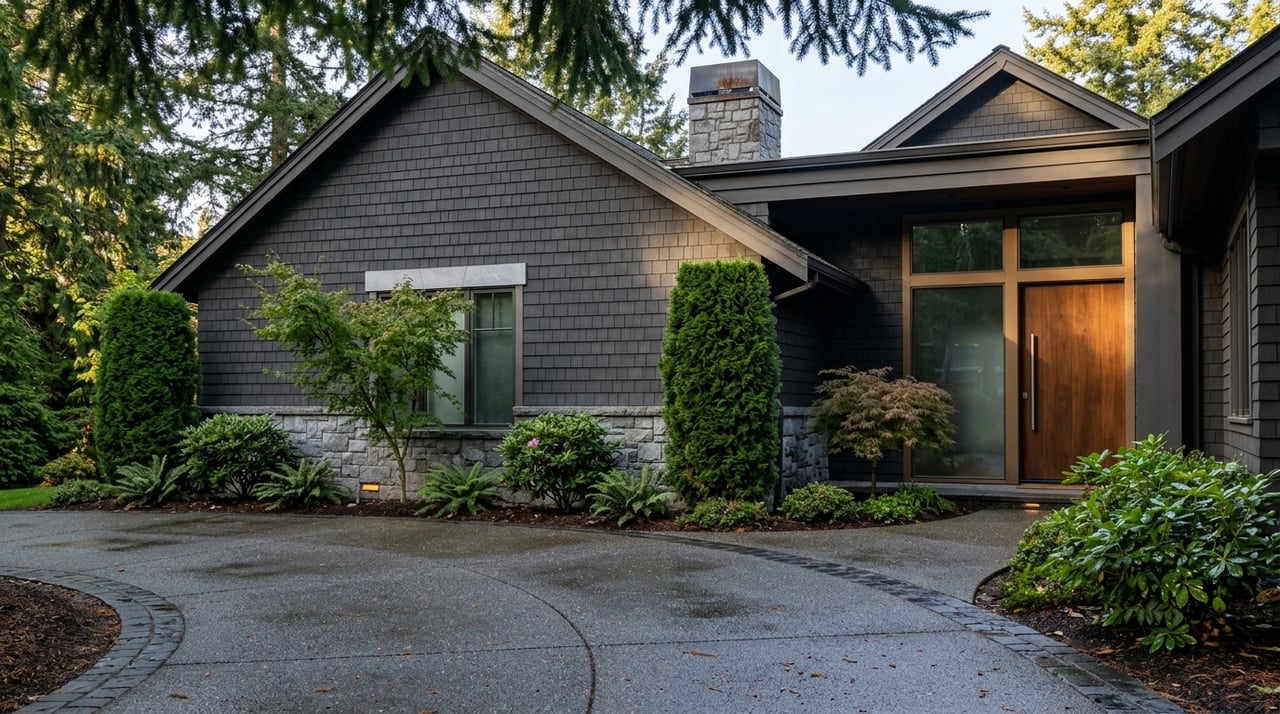
What stands out is not monumentality, but restraint. The house is designed to sit quietly within a leafy avenue setting, which offers an important clue about what newer homes tend to do well in Washington Park.
Landscape-First Design Feels Most Natural
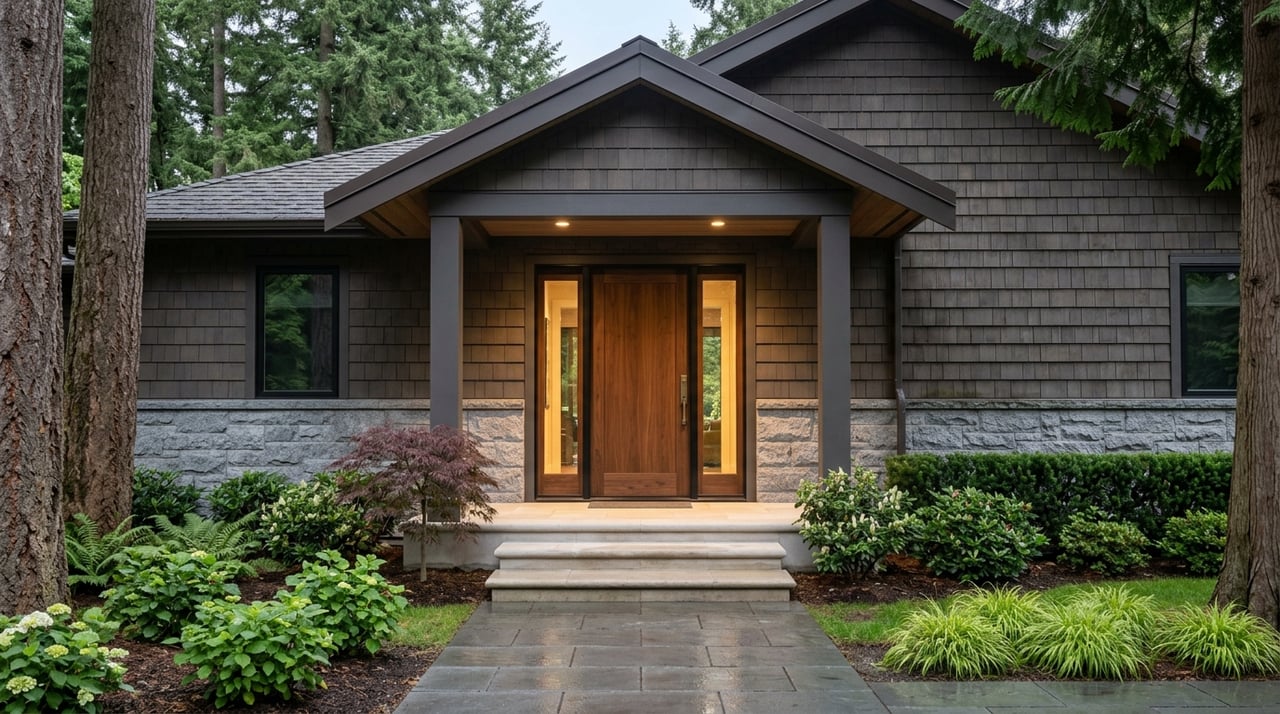
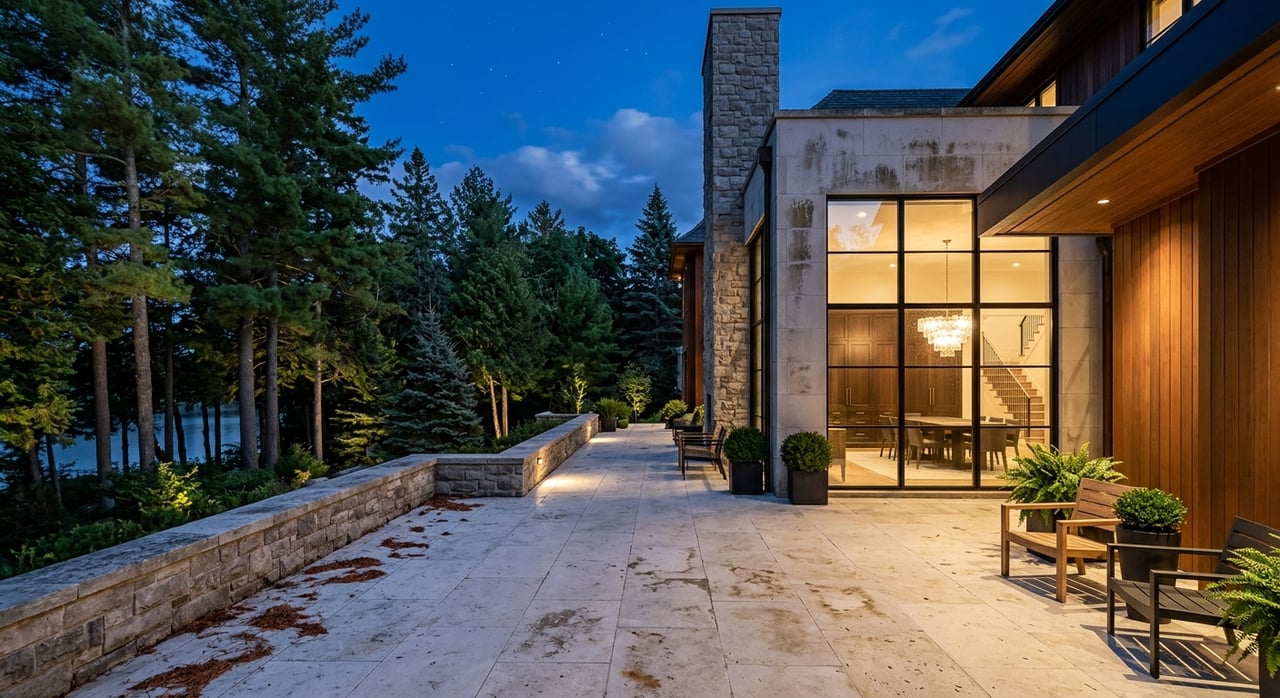
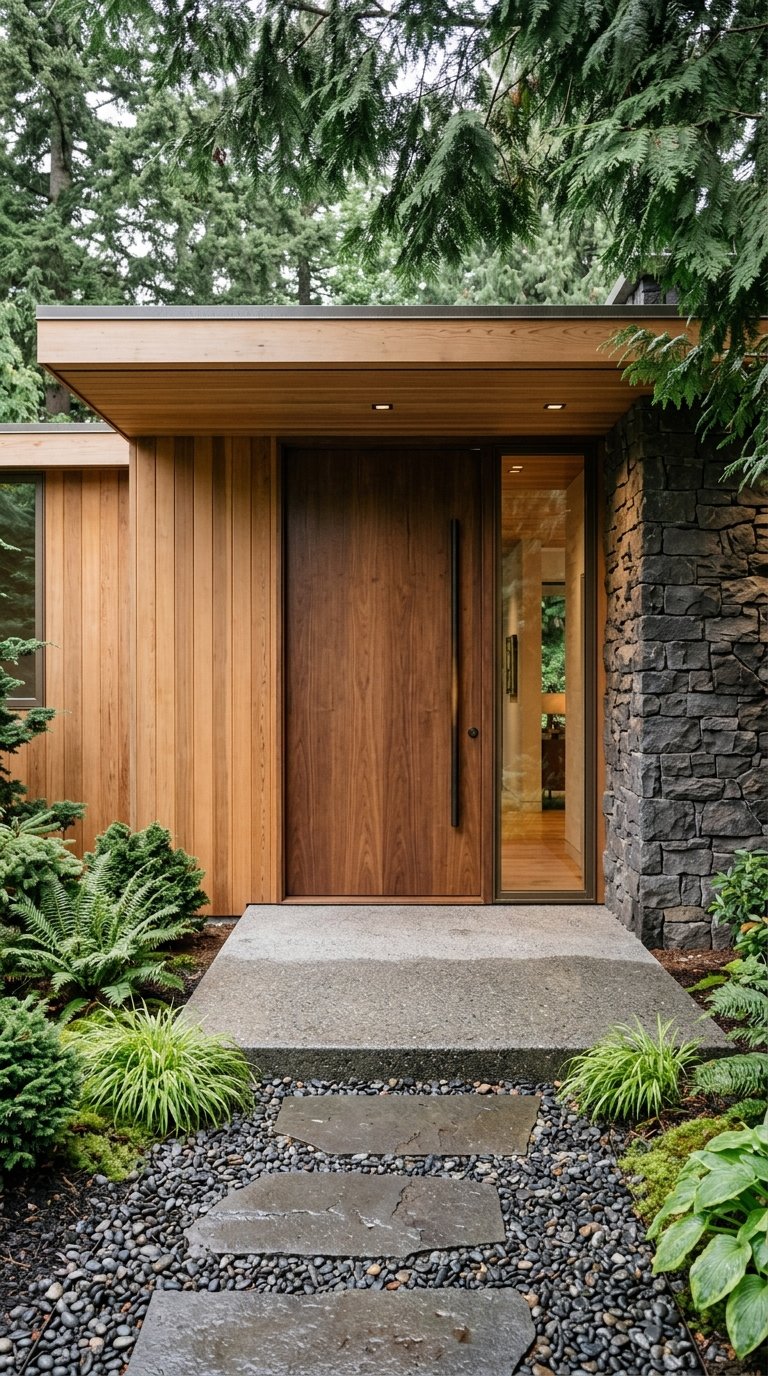
The strongest newer homes here usually respect the site before they announce themselves. Low-contrast materials, deep overhangs, and native plantings help a residence feel connected to the neighborhood’s mature canopy and shoreline character.
That landscape-first approach fits Washington Park especially well because the setting is such a large part of the neighborhood’s identity. In many cases, the most successful custom homes are the ones that feel visually settled into the land.
What Gives Certain Homes Lasting Value
In Washington Park, premium appeal is rarely just about size or novelty. The research points to a more nuanced pattern: homes tend to stand out when architecture, lot quality, privacy, views, and landscape integration all align.
Seattle’s landmark criteria recognize buildings that embody a distinctive style or period and that serve as identifiable visual features of a neighborhood. While landmark criteria are not a pricing formula, they are a useful guide to the qualities that often make a home feel especially collectible.
Intact Period Details Matter
Older homes usually carry the most architectural value when original exterior features remain intact. That can include windows, cladding, porches, rooflines, dormers, and ornamental details.
For a seller, these elements often support the home’s story and perceived authenticity. For a buyer, they can be part of what makes a property feel difficult to replicate.
Lot Size and Estate Scale Influence Perception
The Ames House offers a clear example of how lot size and interior volume shape prestige. In Washington Park, estate scale often contributes to a property’s presence just as much as the house style itself.
That does not mean bigger is always better. It means generous siting, privacy, and proportion often carry real weight in how a home is perceived.
Views and Landscape Integration Stay Important
Visual access has long been part of this area’s identity. The boulevard corridor is managed in part around scenic access, and notable homes such as the Ames House were built to take advantage of Lake Washington views.
Just as important is the relationship between house and setting. Homes that preserve mature trees and feel integrated into the lot often align most closely with what buyers expect in Washington Park.
Renovation Requires a Careful Hand
If you own or are considering an older home in Washington Park, exterior changes deserve close attention. Seattle’s preservation program requires a Certificate of Approval for designated landmarks and historic district properties before certain exterior changes, new construction, demolition, paint changes, and some site alterations.
The city’s goal is to manage change, not eliminate it, but the process is still important. If a property is designated, exterior decisions can be more governed than many buyers initially expect.
The Most Sensitive Updates
The changes that usually need the most care are additions, window replacement, roof changes, façade materials, and hardscape or planting choices that alter how the house sits on its lot and street. In Washington Park, these decisions can affect not just appearance, but also how the property relates to the neighborhood’s broader visual character.
That is especially true for revival-era homes, where silhouette and detailing are part of the home’s architectural value. Preservation-minded improvements tend to support both character and long-term appeal.
What Buyers and Sellers Should Keep in Mind
If you are selling, it helps to understand which features communicate integrity and which past changes may raise questions. If you are buying, it is wise to look beyond interiors and study the exterior materials, rooflines, openings, and site design with care.
In a neighborhood like Washington Park, value often lives in the parts of a property that cannot be easily recreated. Architecture, landscape, and siting usually work together here, and the strongest outcomes tend to come from respecting all three.
Washington Park stands out because it offers more than one architectural chapter. From Neoclassical, Georgian, Tudor, and Colonial Revival estates to early modern homes, postwar layers, and restrained custom residences, the neighborhood reflects a long conversation between design and landscape. If you are evaluating a home here, the most important question is often not which style it is, but how well that style belongs to the site.
If you are considering a purchase or preparing to sell in Washington Park, contact Patricia Wallace directly for a private consultation.
FAQs
What architectural styles define Washington Park in Seattle?
- Washington Park is defined by a mix of early revival styles, including Neoclassical, Georgian Revival, Tudor Revival, and Colonial Revival, along with early Modern homes, an important 1950s and 1960s layer, and later custom residences.
What makes a Washington Park home feel especially collectible?
- Homes often feel most collectible when they have intact period details, strong lot siting, privacy, view access, and a clear relationship to mature landscaping and the surrounding setting.
What design features matter most in newer Washington Park homes?
- Newer homes tend to fit best when they use restrained materials, deep overhangs, native plantings, and a low visual profile that blends into the leafy, water-adjacent landscape.
What renovations require extra care for Washington Park properties?
- Exterior changes such as additions, window replacement, roof changes, façade materials, paint changes on designated properties, and site alterations often require the most care, especially when a property has landmark or historic protections.
Why do views and landscape matter so much in Washington Park?
- The neighborhood’s identity is closely tied to the Arboretum, Lake Washington Boulevard, and the Lake Washington shoreline, so homes that preserve visual access and integrate well with the site often align best with the area’s character.